November gets plenty of credit for turkey, football and the annual rush to buy a slightly larger television. The record stores deserve a little attention, too. From Nirvana unplugging to Wu-Tang kicking the door in, this month has delivered an impressive pile of albums and plenty of ways to drown out Thanksgiving arguments. Here’s one for every day.
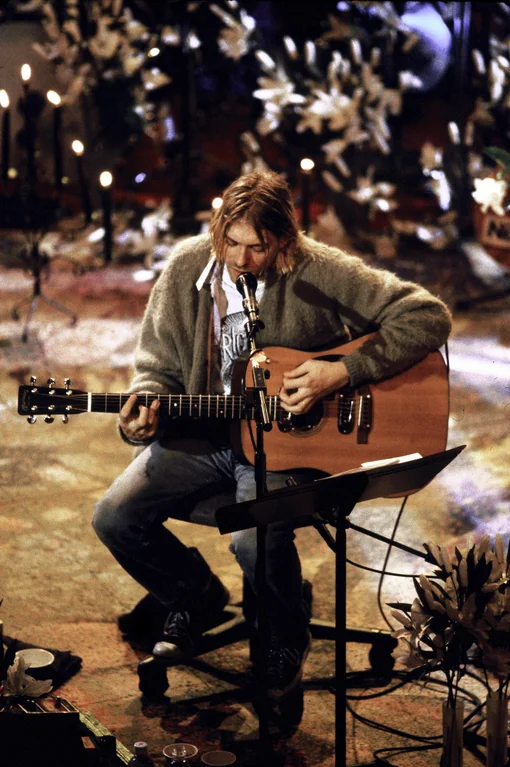
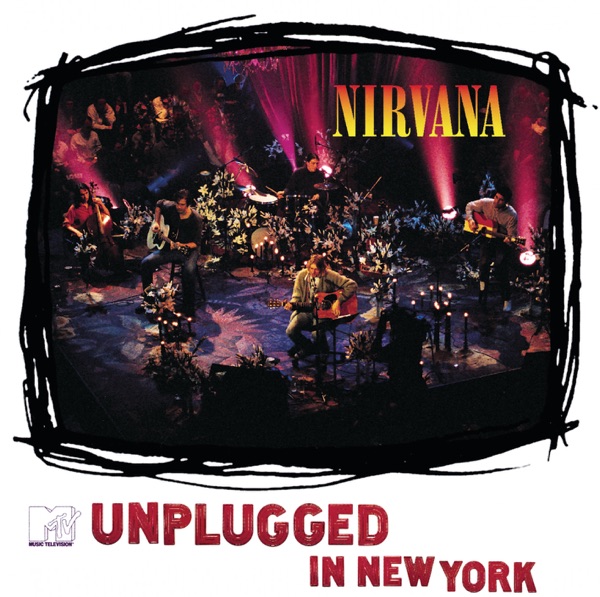 November 1: Nirvana, MTV Unplugged in New York (1994, DGC Records). MTV once put musicians on television and let them play entire songs. Imagine. Nirvana used the opportunity to sidestep the obvious hits and lean on David Bowie, Lead Belly and the Meat Puppets. Kurt Cobain’s final howl in “Where Did You Sleep Last Night” makes the usual unplugged-session chatter about intimacy seem rather inadequate. Also: Megadeth, Youthanasia (1994); The Cure, Songs of a Lost World (2024).
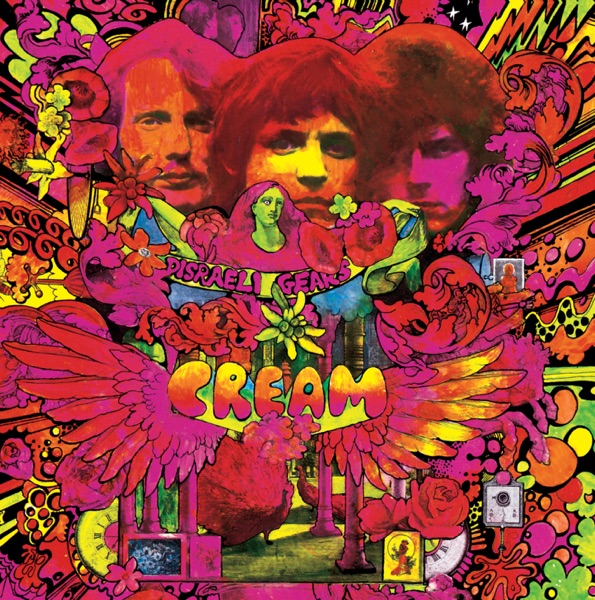 November 2: Cream, Disraeli Gears (1967, Reaction Records). Eric Clapton, Jack Bruce and Ginger Baker packed enough blues, psychedelia and ego into this record to power several lesser supergroups. “Sunshine of Your Love” supplied the riff, “Strange Brew” supplied the strut, and “Tales of Brave Ulysses” supplied the wah-wah. Even the sleeve looks like it should come with a warning about operating machinery. Also: The Police, Outlandos d’Amour (1978); Foo Fighters, There Is Nothing Left to Lose (1999).
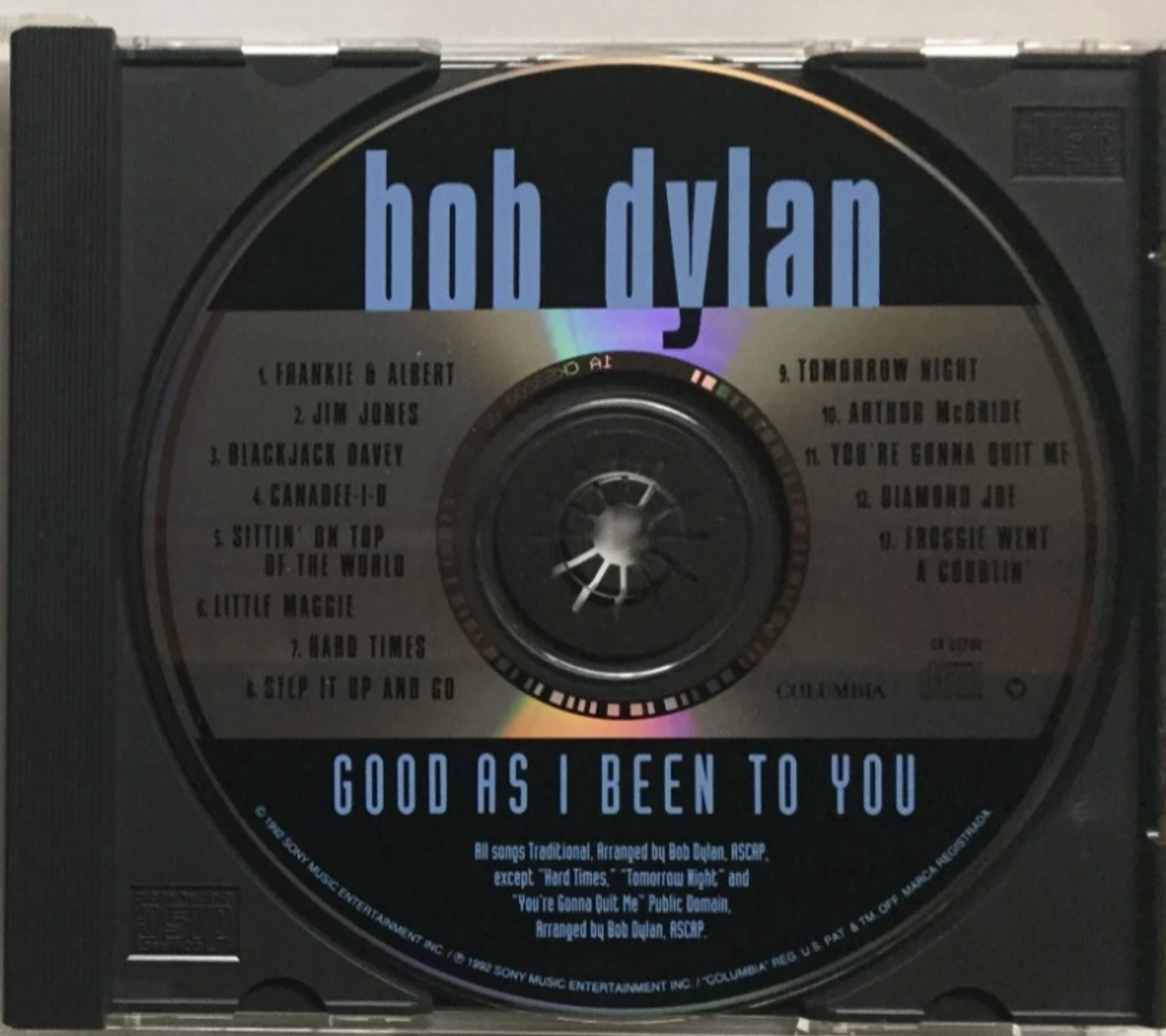 November 3: Bob Dylan, Good as I Been to You (1992, Columbia Records; US release). Dylan sat down with an acoustic guitar, a harmonica and a stack of old songs. Apparently nobody told him an album needed a celebrity feature and a branded beverage. “Jim Jones,” “Hard Times” and “Arthur McBride” put the attention on the storytelling, with his weathered voice doing considerably more work than a glossy production could. Also: Bon Jovi, Keep the Faith (1992); Sam Smith, The Thrill of It All (2017).
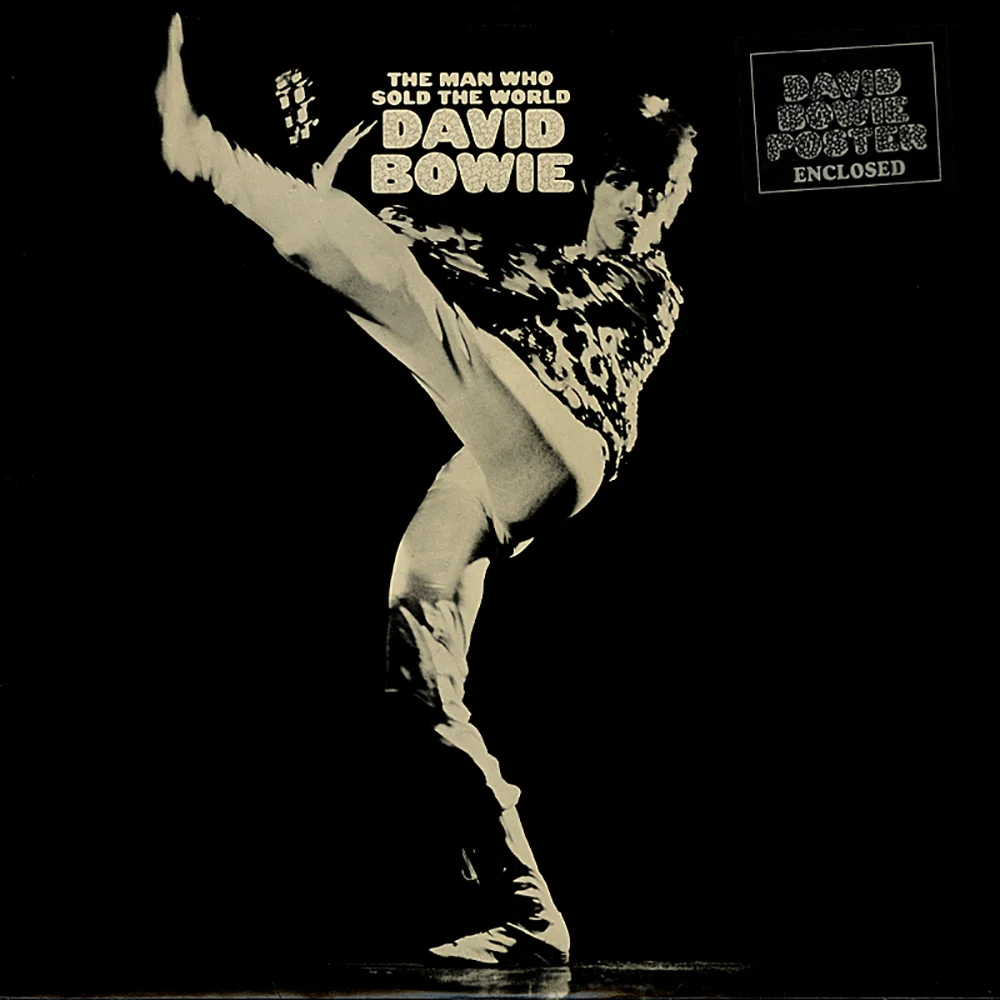 November 4: David Bowie, The Man Who Sold the World (1970, Mercury Records; US release). Before Ziggy Stardust booked his flight, Bowie got heavy. Mick Ronson’s guitar helps turn “The Width of a Circle” into an eight-minute excursion through some fairly unpleasant territory, while the title track makes a meeting with yourself sound deeply inadvisable. Nirvana later gave that song another life. This version already had plenty of ghosts. Also: My Bloody Valentine, Loveless (1991); Shania Twain, Come On Over (1997).
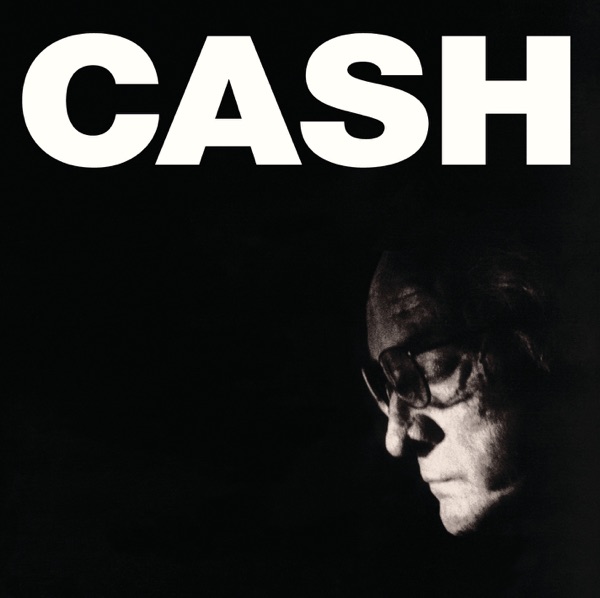 November 5: Johnny Cash, American IV: The Man Comes Around (2002, American Recordings). Cash took songs associated with Nine Inch Nails, Depeche Mode and Simon & Garfunkel and made them sound as if they had been waiting for him all along. “Hurt” gets the headlines, understandably, but “Personal Jesus” and the title track deserve their own reckoning. A reminder that authority rarely requires shouting, particularly when you sound like Johnny Cash. Also: Elton John, Madman Across the Water (1971); Makaveli, The Don Killuminati: The 7 Day Theory (1996).
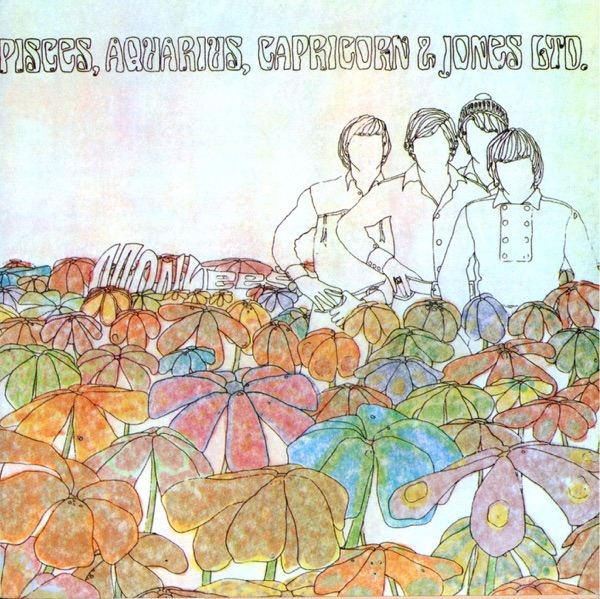 November 6: The Monkees, Pisces, Aquarius, Capricorn & Jones Ltd. (1967, Colgems Records). The TV band was making records this adventurous while some critics were still busy checking its credentials. “Pleasant Valley Sunday” slips a complaint about suburban conformity inside immaculate pop, and “Daily Nightly” lets a Moog synthesizer wander through the scenery. A rather productive day at the office for four men supposedly too manufactured to matter. Also: Queen, Made in Heaven (1995); Kylie Minogue, Disco (2020).
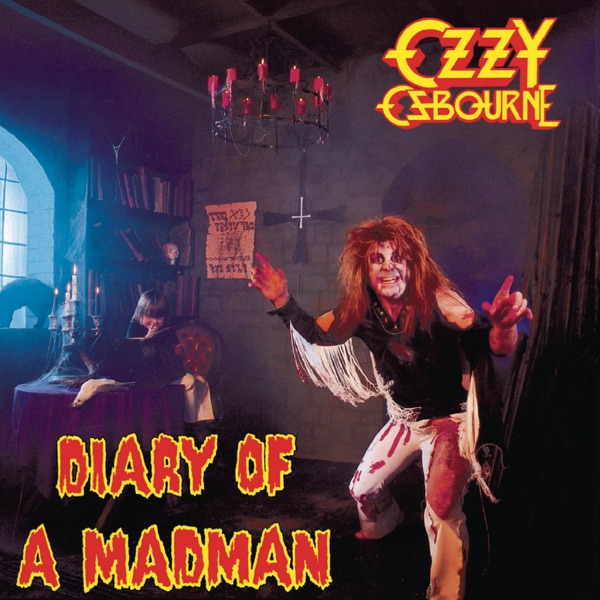 November 7: Ozzy Osbourne, Diary of a Madman (1981, Jet Records). Randy Rhoads gave Osbourne a second consecutive album full of guitar parts that could ruin an aspiring player’s weekend. “Over the Mountain” and “Flying High Again” supply the immediate thrills; the title track brings the haunted-house architecture. You can admire the technique, or simply turn it up. Both are perfectly respectable uses of your time. Also: Yes, 90125 (1983); Alice in Chains, Alice in Chains (1995).
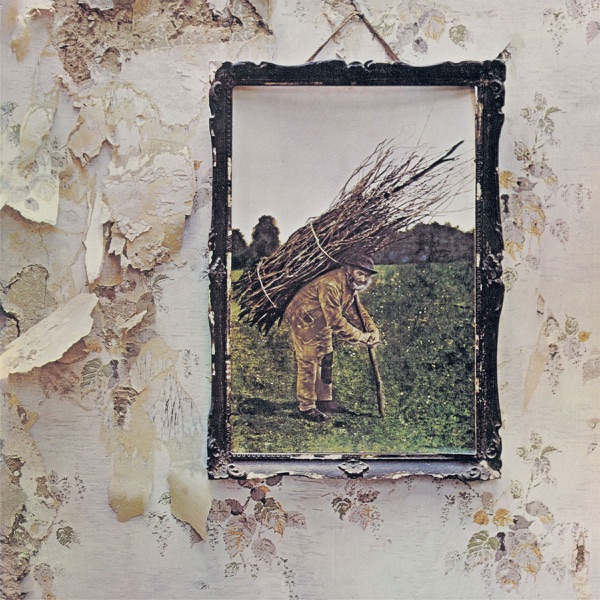 November 8: Led Zeppelin, Led Zeppelin IV (1971, Atlantic Records). “Black Dog,” “Rock and Roll,” “Stairway to Heaven” and “When the Levee Breaks” are on the same eight-song album. Some bands would call that a career and start selling commemorative whisky. Zeppelin also made room for the acoustic beauty of “Going to California,” because apparently leaving everybody else a little breathing room wasn’t on the agenda. Also: Queen, Sheer Heart Attack (1974); Motörhead, Ace of Spades (1980).
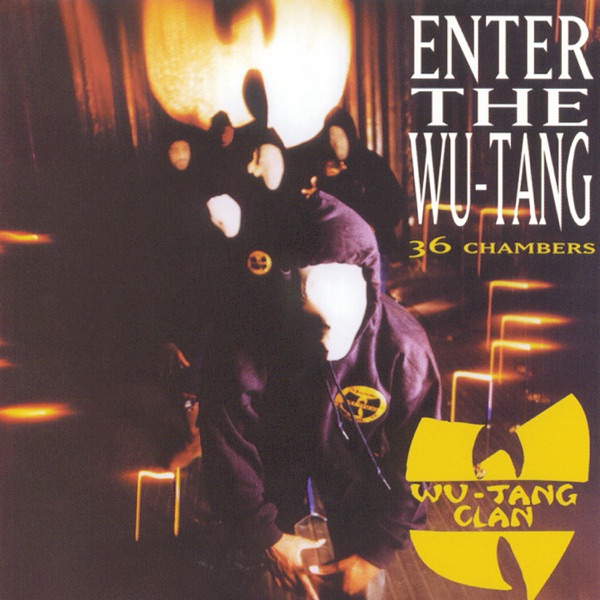 November 9: Wu-Tang Clan, Enter the Wu-Tang (36 Chambers) (1993, Loud Records/RCA Records). Wu-Tang’s debut sounds like nine rappers kicking open the same door, each convinced he should enter first. RZA’s dusty production gives “C.R.E.A.M.,” “Protect Ya Neck” and “Method Man” their grimy setting, while the voices keep changing the temperature. Nobody here seems especially concerned about making the record comfortable background music. Good. Also: Derek and the Dominos, Layla and Other Assorted Love Songs (1970); A Tribe Called Quest, Midnight Marauders (1993).
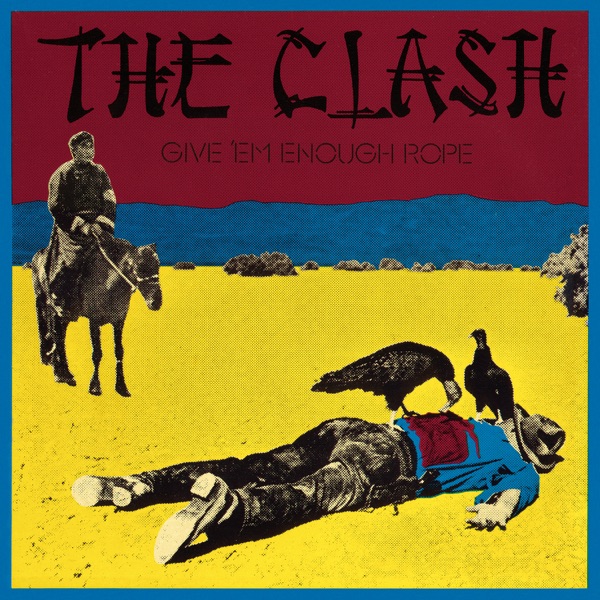 November 10: The Clash, Give ’Em Enough Rope (1978, CBS Records). The Clash hired Sandy Pearlman and gave their second album a bigger sound without suddenly developing good manners. “Safe European Home” comes charging out of the gate, “Tommy Gun” keeps the pressure on, and “Stay Free” gives Mick Jones room for affection. Punk survived the extra studio polish. The furniture may have had a harder time. Also: Patti Smith, Horses (1975); Taylor Swift, Reputation (2017).
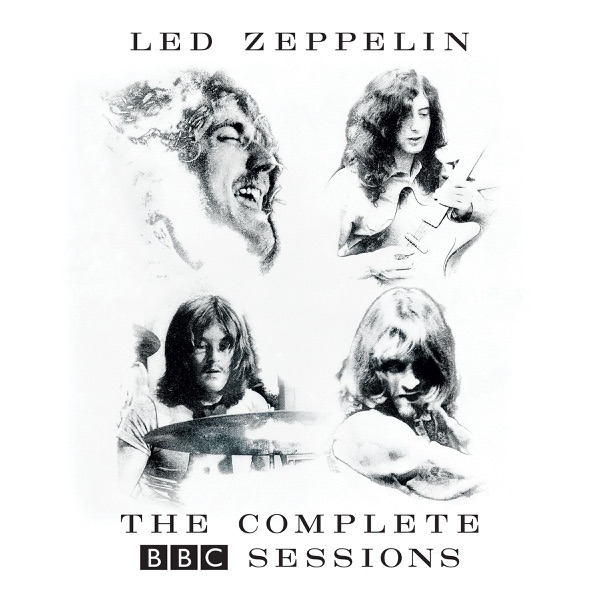 November 11: Led Zeppelin, BBC Sessions (1997, Atlantic Records). Before the private jets and stadium mythology swallowed the conversation, Zeppelin were playing for the BBC. The original two-disc set draws on London sessions recorded March 3 and June 16, 24 and 27, 1969, plus an April 1, 1971 concert at London’s Paris Theatre. The 1969 broadcasts included John Peel’s Top Gear and Chris Grant’s Tasty Pop Sundae, with BBC producers Bernie Andrews, Paul Williams and John Walters among those behind the sessions. Peel also hosted the 1971 In Concert performance, produced by Jeff Griffin and first broadcast April 4, 1971. Jimmy Page later compiled and produced the 1997 album. This collection catches the young band stretching blues material, building its own catalogue and treating radio sessions like an opportunity to cause structural damage. “Travelling Riverside Blues” is a particular pleasure. Public broadcasting occasionally had excellent judgment. Also: Kiss, Rock and Roll Over (1976); Dream Theater, Train of Thought (2003).
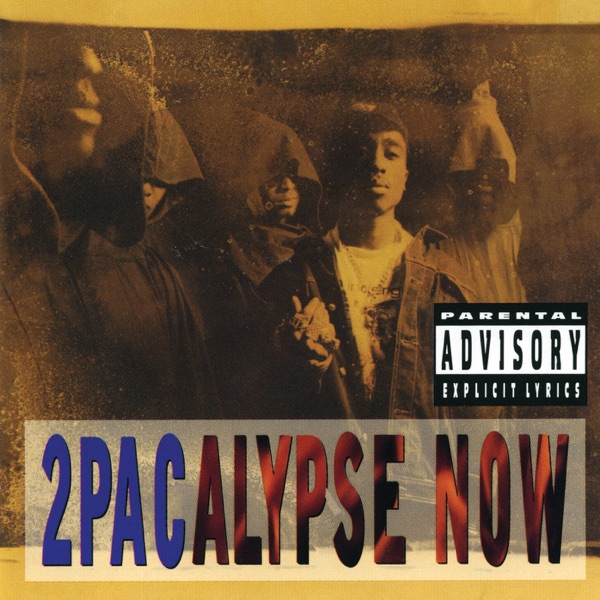 November 12: 2Pac, 2Pacalypse Now (1991, Interscope Records). On his debut, Tupac Shakur was already writing about police harassment, poverty and young people cornered by circumstances they didn’t create. “Trapped” and “Brenda’s Got a Baby” make that urgency plain. The delivery is hungry, the anger has a target, and the stories are harder to shake than the comforting idea that every problem has an easy solution. Also: Madonna, Like a Virgin (1984); Pearl Jam, Riot Act (2002).
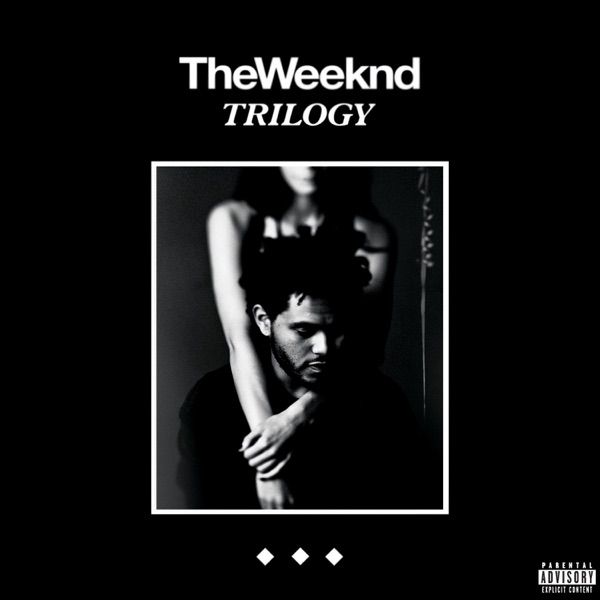 November 13: The Weeknd, Trilogy (2012, XO/Republic Records). The Weeknd gathered his three 2011 mixtapes, added new songs and gave the world nearly three hours of beautifully produced bad decisions. “Wicked Games,” “The Morning” and “House of Balloons / Glass Table Girls” make the haze awfully inviting. The singing is gorgeous, the relationships sound exhausting, and daylight appears to have been removed from the recording budget. Also: Shakira, Laundry Service (2001); Justin Bieber, Purpose (2015).
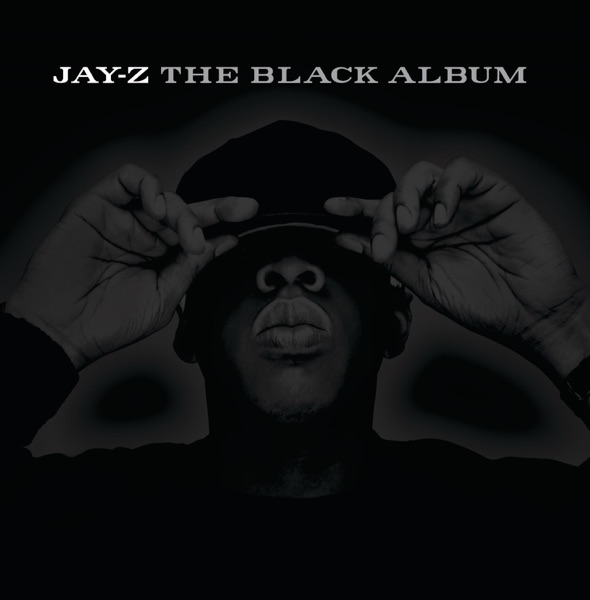 November 14: Jay-Z, The Black Album (2003, Roc-A-Fella Records/Def Jam Recordings). Jay-Z assembled “99 Problems,” “Dirt Off Your Shoulder,” “Encore” and “Public Service Announcement,” then presented the result as a farewell. Retirement announcements in hip-hop deserve their own recycling bin, but the album holds up beautifully. Rick Rubin, Pharrell and Timbaland help give the production plenty of variety; Jay keeps the whole thing sounding like his room. Also: Eurythmics, Touch (1983); The Offspring, Conspiracy of One (2000).
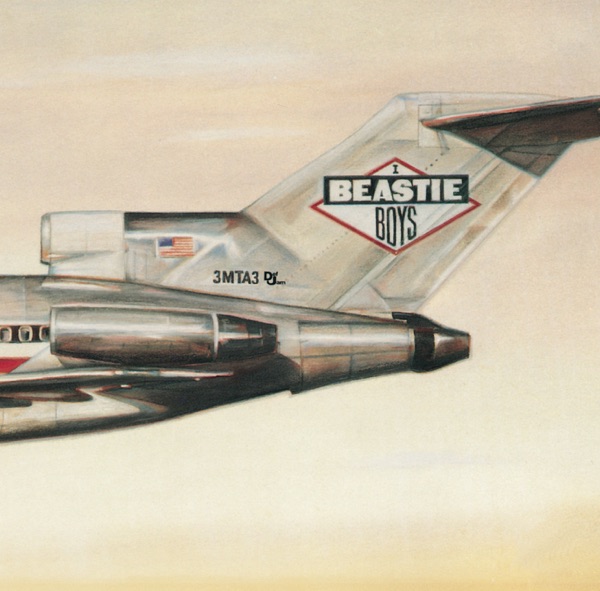 November 15: Beastie Boys, Licensed to Ill (1986, Def Jam Recordings/Columbia Records). The Beastie Boys mixed rap, heavy guitar and the decision-making skills of three men who should probably have been cut off an hour earlier. “No Sleep till Brooklyn,” “Brass Monkey” and “Paul Revere” still hit with ridiculous force. “Fight for Your Right” became the party anthem. Subtlety, sensibly, was asked to wait outside. Also: Various artists, Saturday Night Fever (1977); Linkin Park, From Zero (2024).
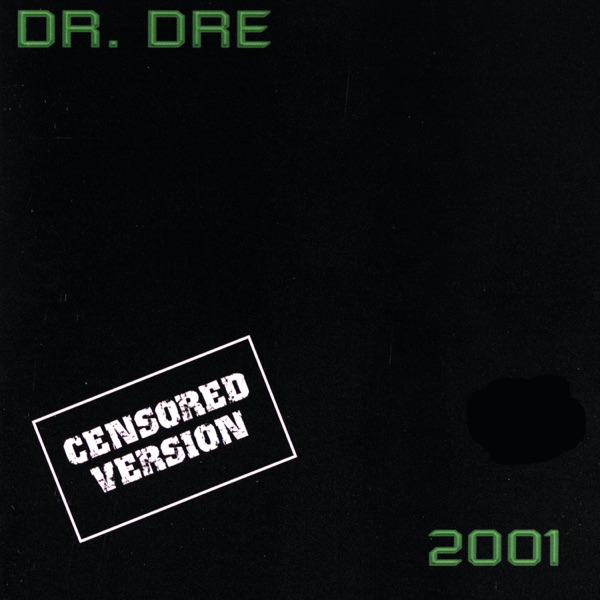 November 16: Dr. Dre, 2001 (1999, Aftermath Entertainment/Interscope Records; US release). Dre returned with beats so clean and heavy they could expose every loose screw in your car. “Still D.R.E.,” “Forgot About Dre” and “The Next Episode” gave the album its permanent place in the rotation, with Snoop Dogg and Eminem doing their share of the damage. Naming it after a future year was optimistic. Making it last this long was the real trick. Also: Korn, Issues (1999); Snoop Dogg, R&G (Rhythm & Gangsta): The Masterpiece (2004).
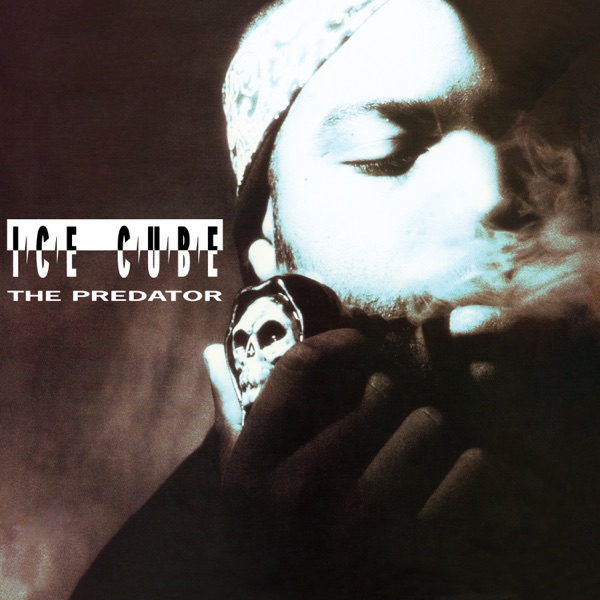 November 17: Ice Cube, The Predator (1992, Priority Records). Released in the year of the LA uprising, this is Cube with very little interest in reassuring anybody. “When Will They Shoot?” sets the mood, while “Wicked” and “Check Yo Self” keep the pressure on. Then “It Was a Good Day” imagines a little peace. On this album, getting through the day quietly counts as a fairly radical fantasy. Also: John Lennon and Yoko Ono, Double Fantasy (1980); Various artists, The Bodyguard (1992).
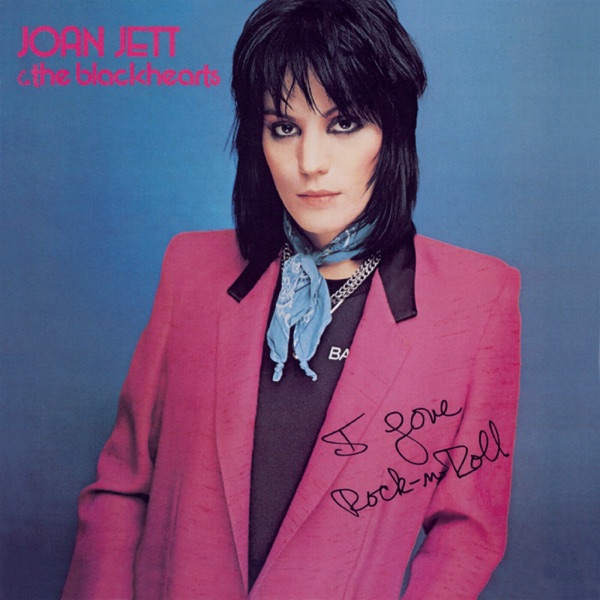 November 18: Joan Jett & the Blackhearts, I Love Rock ’n Roll (1981, Boardwalk Records). Jett made loving rock ’n’ roll sound less like a preference than a challenge. The title track stomps through the door, “Crimson and Clover” turns dreamy pop into something tougher, and “Victim of Circumstance” keeps the guitars snapping. The Blackhearts give her rasp a lean, muscular backing, with no interest in sanding down the rough edges. Put another dime in the jukebox. This one has earned it. Also: U2, Achtung Baby (1991); Rihanna, Talk That Talk (2011).
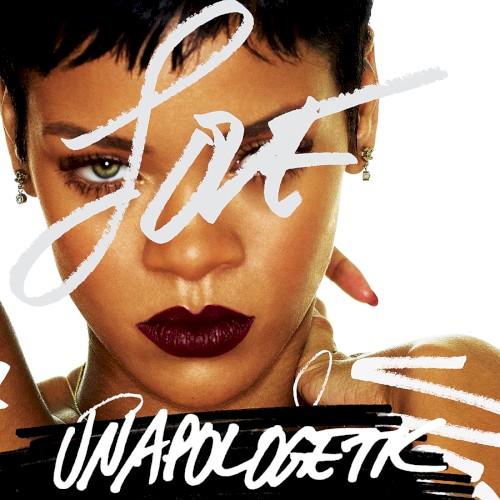 November 19: Rihanna, Unapologetic (2012, Def Jam Recordings/SRP Records). Rihanna opened with “Phresh Out the Runway,” handed the big singalong to “Diamonds” and then stripped things back for “Stay,” her duet with Mikky Ekko. “Pour It Up” makes considerably fewer concessions to anybody’s delicate sensibilities. The title saves the publicist some work: this is a record comfortable being brash, vulnerable and occasionally messy. Seven albums into her career, she had little interest in asking the room for permission. Also: Led Zeppelin, Coda (1982); Adele, 30 (2021).
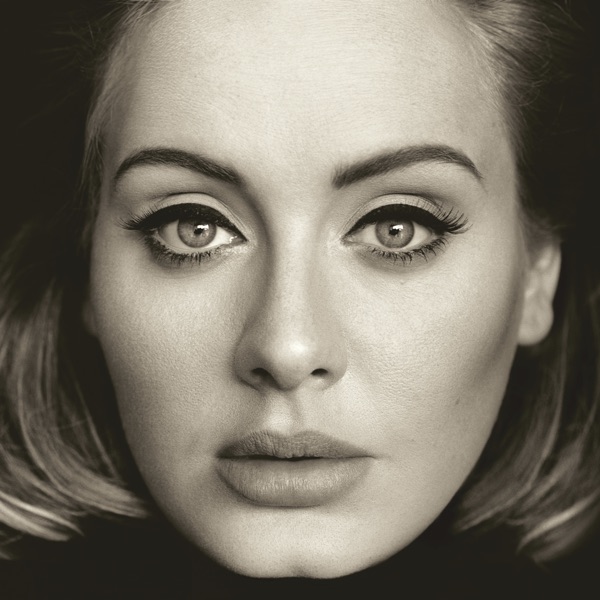 November 20: Adele, 25 (2015, XL Recordings). “Hello” announced Adele’s return with the subtlety of a cathedral bell. “When We Were Young” and “Love in the Dark” keep the emotional stakes high, while “Send My Love (To Your New Lover)” lets a little daylight through. The arrangements give the voice plenty of space. When the singer is Adele, filling every available inch would be a strange priority. Also: Emerson, Lake & Palmer, Emerson, Lake & Palmer (1970); Rihanna, Rated R (2009).
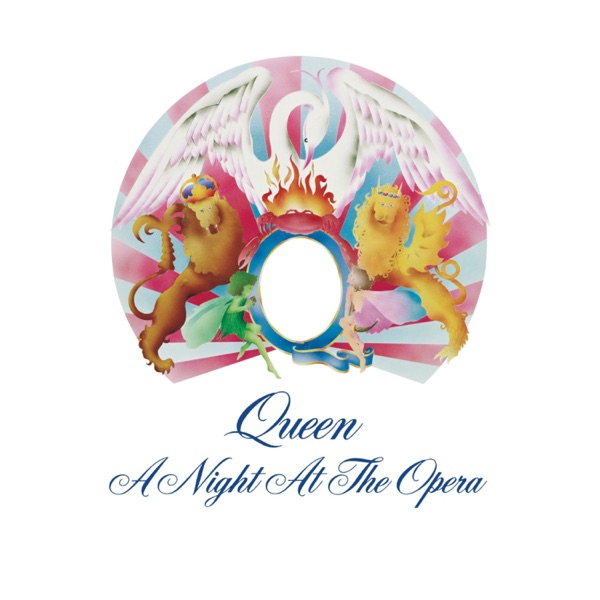 November 21: Queen, A Night at the Opera (1975, EMI Records; UK release). Queen put “Bohemian Rhapsody” on this album and still had “You’re My Best Friend,” “’39” and “Death on Two Legs” waiting around it. The opera, the harmonies and the theatrical excess all serve actual songs. Plenty of bands have spent a fortune trying to sound enormous. Queen remembered that somebody would eventually have to hum the thing. Also: Rush, Presto (1989); Kate Bush, 50 Words for Snow (2011).
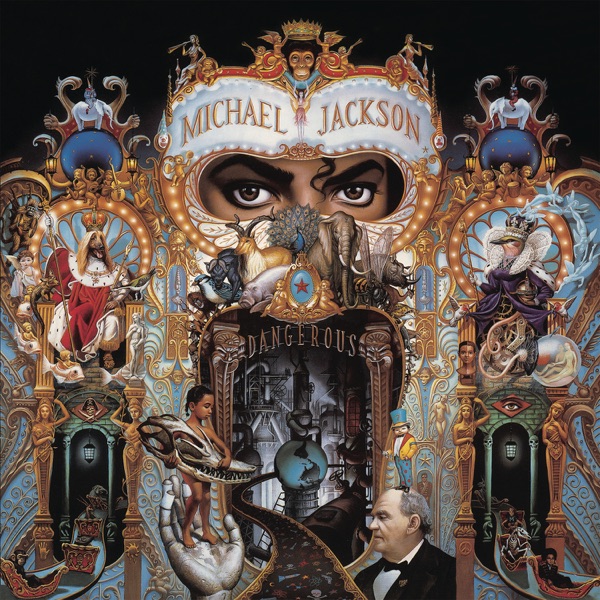 November 22: Michael Jackson, Dangerous (1991, Epic Records; initial international release). Jackson pushed into harder, more percussive territory, with Teddy Riley helping bring new jack swing into the machinery. “Jam,” “Remember the Time” and “Black or White” deliver the movement; “Heal the World” handles the enormous gestures. The album is hardly shy about its ambitions. You don’t put that much artwork on a cover because you’re aiming for modest. Also: Kanye West, My Beautiful Dark Twisted Fantasy (2010); System of a Down, Hypnotize (2005).
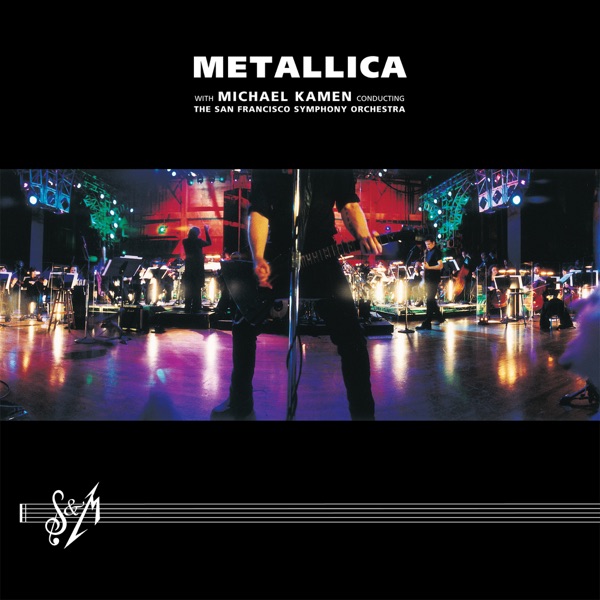 November 23: Metallica, S&M (1999, Elektra Records). Metallica brought in Michael Kamen and the San Francisco Symphony, giving the orchestra a rather different evening from its usual engagements. “No Leaf Clover” makes an especially strong case for the arrangement, while “Master of Puppets” and “The Call of Ktulu” get the expanded treatment. Yes, the guitars remain loud. Somebody had to keep all those violins in line. Also: Snoop Doggy Dogg, Doggystyle (1993); Metallica, S&M (1999).
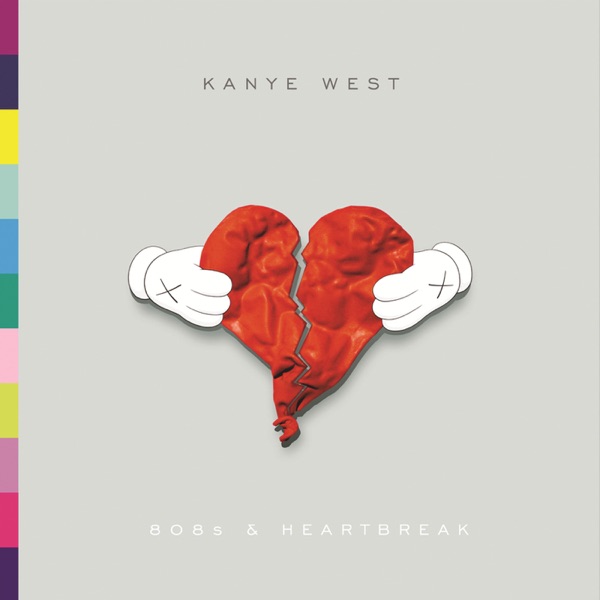 November 24: Kanye West, 808s & Heartbreak (2008, Roc-A-Fella Records/Def Jam Recordings). West put his grief and loneliness through Auto-Tune, surrounded them with spare electronic production and made a record that helped redraw the boundaries of mainstream hip-hop. “Heartless,” “Love Lockdown” and “Welcome to Heartbreak” make vulnerability sound cold enough to touch. A hugely influential album from a man whose later activities have made uncomplicated nostalgia something of a challenge. Also: Leonard Cohen, The Future (1992); Metallica, Garage Inc. (1998).
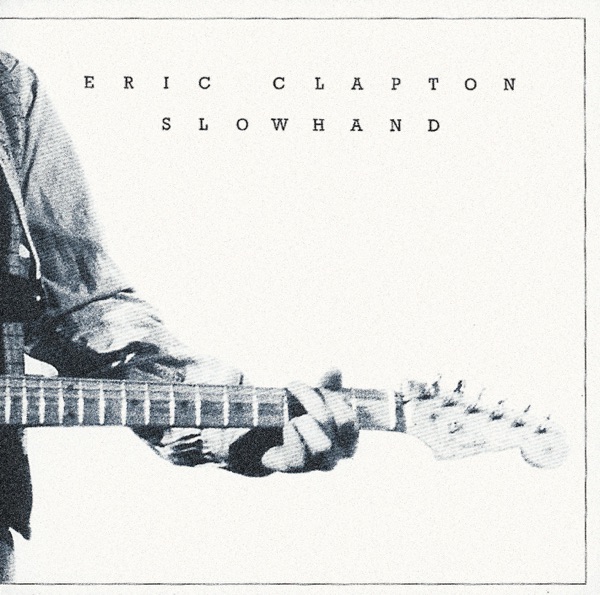 November 25: Eric Clapton, Slowhand (1977, RSO Records). Clapton found a comfortable groove and had the good sense to stay in it. J.J. Cale’s “Cocaine” gets a lean reading, “Lay Down Sally” rolls along easily, and “Wonderful Tonight” supplies the slow dance. There is plenty of guitar here, but very little begging to be admired. A useful lesson for anyone currently shopping for a seventeenth effects pedal. Also: Nelly Furtado, Folklore (2003); The Weeknd, Starboy (2016).
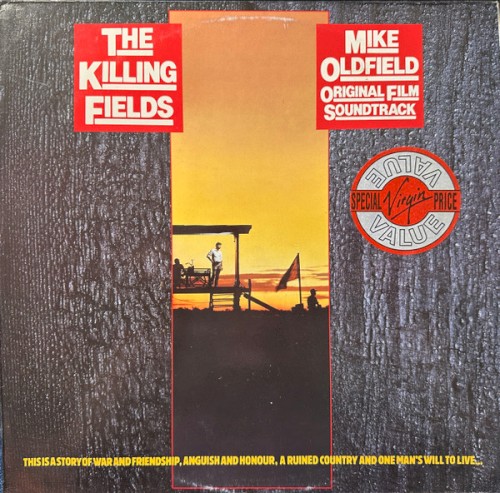 November 26: Mike Oldfield, The Killing Fields (1984, Virgin Records; UK release). The man behind “Tubular Bells” traded the rock album for a film score, bringing orchestral weight, electronics and an appropriately uneasy atmosphere to a movie about Cambodia’s Khmer Rouge years. “Pran’s Theme” supplies the tenderness; “Evacuation” supplies considerably less comfort. “Étude,” adapted from Francisco Tárrega’s “Recuerdos de la Alhambra,” closes things with a little grace. Nobody was mistaking this assignment for background music at the office party. Also: The Kinks, The Kink Kontroversy (1965); Yes, Fragile (1971).
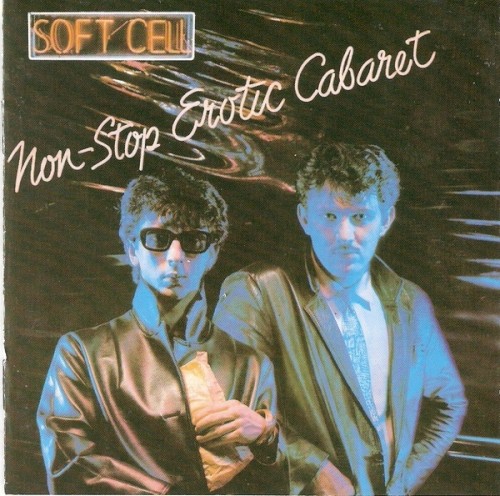 November 27: Soft Cell, Non-Stop Erotic Cabaret (1981, Some Bizzare Records). Marc Almond and Dave Ball turned cheap-room loneliness, nightlife and questionable decisions into synth-pop with a pulse. Their cover of Gloria Jones’ “Tainted Love” brought everybody through the door; “Bedsitter,” “Sex Dwarf” and “Say Hello, Wave Goodbye” showed them the rest of the establishment. Almond sounds glamorous, wounded and occasionally like someone who should have gone home three hours ago. A remarkably productive state for a debut album. Also: Miley Cyrus, Plastic Hearts (2020); Alice Cooper, Killer (1971).
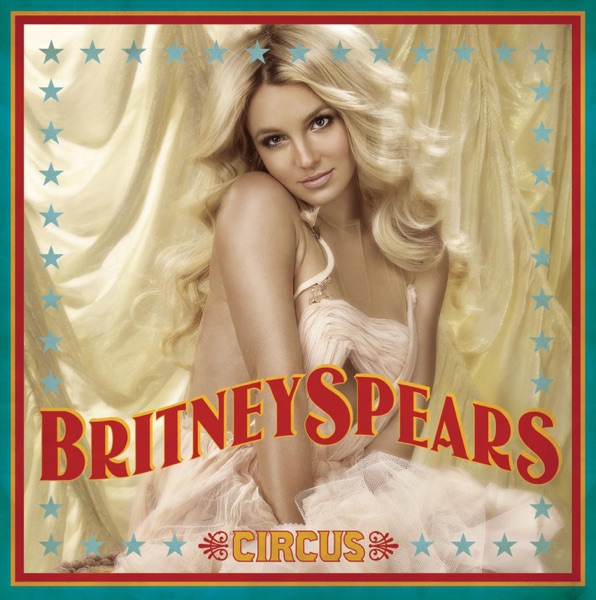 November 28: Britney Spears, Circus (2008, Jive Records; initial European release). Britney opened with “Womanizer,” followed it with the title track and made the comeback narrative rather easy to dance to. “If U Seek Amy” gives the censors something to occupy their afternoon, while “Unusual You” brings a softer electronic haze. The circus metaphor was hardly a stretch, given the scrutiny around her. At least this time she got to pick the soundtrack. Also: Shakira, Oral Fixation, Vol. 2 (2005); Alizée, Gourmandises (2000).
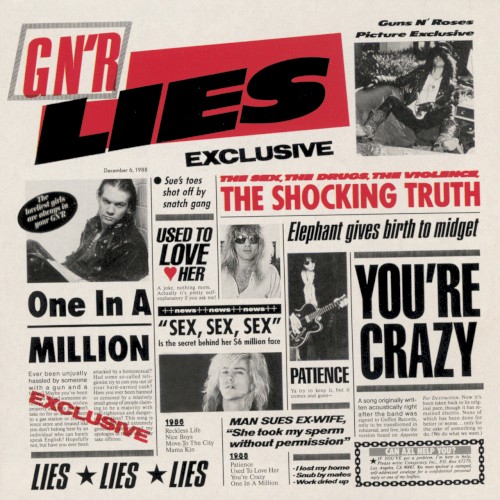 November 29: Guns N’ Roses, G N’ R Lies (1988, Geffen Records). Guns N’ Roses followed Appetite for Destruction with four tracks recycled from Live ?!*@ Like a Suicide and four acoustic recordings. “Patience” proved they could whistle their way onto the radio; “Used to Love Her” brought the gallows humor. Then “One in a Million” dragged racist and homophobic slurs into the package. Eight songs, a tabloid-style sleeve and enough controversy to make the publicity department wonder whether it needed a union. Also: Mary J. Blige, My Life (1994); Girls Aloud, What Will the Neighbours Say? (2004).
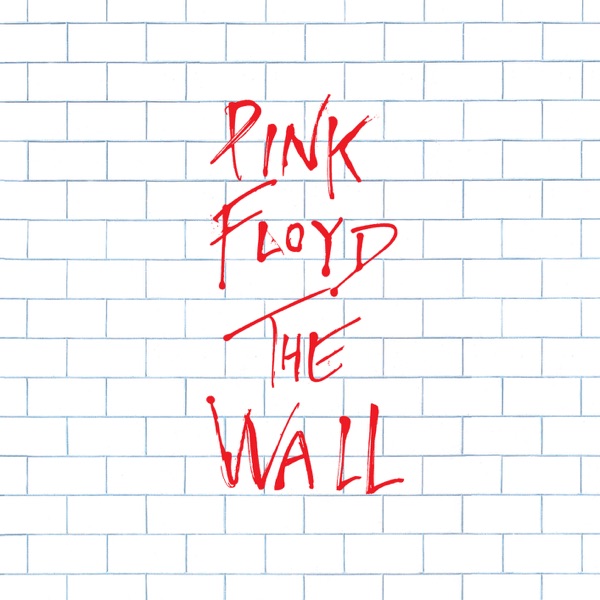 November 30: Pink Floyd, The Wall (1979, Harvest Records; UK release). Roger Waters built a double album around isolation, authority and a rock star becoming thoroughly unpleasant company. “Another Brick in the Wall, Part 2” gives everyone something to shout; “Comfortably Numb” gives David Gilmour a guitar solo capable of stopping the argument. It’s an enormous production about a man shutting people out. The merchandising department must have enjoyed the irony. Also: ABBA, The Visitors (1981); Kelly Clarkson, Breakaway (2004).
Release dates sometimes varied by country. US, UK and initial international dates are identified above where that distinction matters. The covers link to YouTube album searches.