What was it about October that throughout rock history such great music was dropped in this magical month? From the Boss to the Pistols, from Taylor to Dire Straits, October has delivered way more treats than tricks.
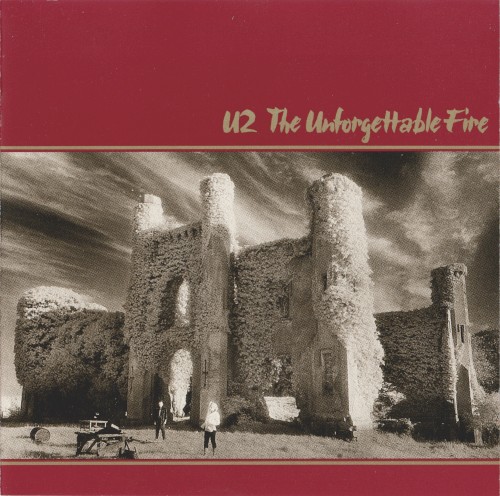 October 1 — U2, The Unforgettable Fire (1984, Island Records). U2 loosened its grip on straightforward arena rock and let Brian Eno and Daniel Lanois lead the band toward something hazier and more adventurous. “Pride (In the Name of Love)” became the anthem, but the album’s atmosphere is what makes it special.
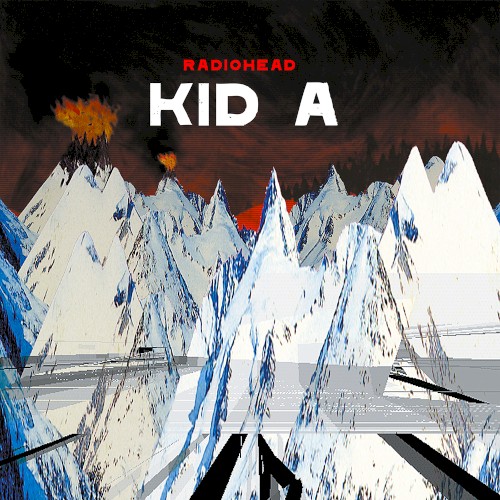 October 2 — Radiohead, Kid A (2000, Parlophone). After OK Computer, Radiohead could have made another giant guitar record. Instead they buried the guitars under synthesizers, electronics and abstraction, producing an album that sounded baffling at first and inevitable later.
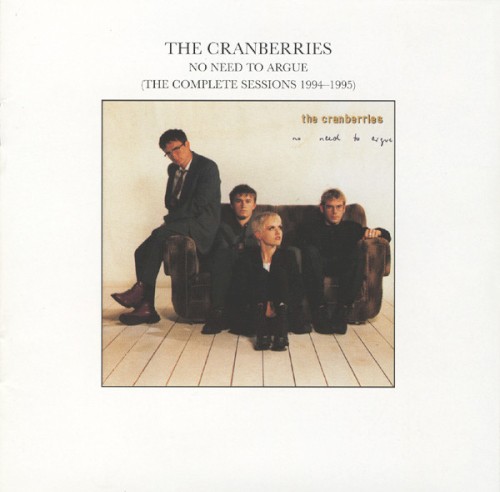 October 3 — The Cranberries, No Need to Argue (1994, Island Records). “Zombie” gave the Cranberries their most explosive song, but the album also showed how beautifully Dolores O’Riordan could move between fury, fragility and melancholy.
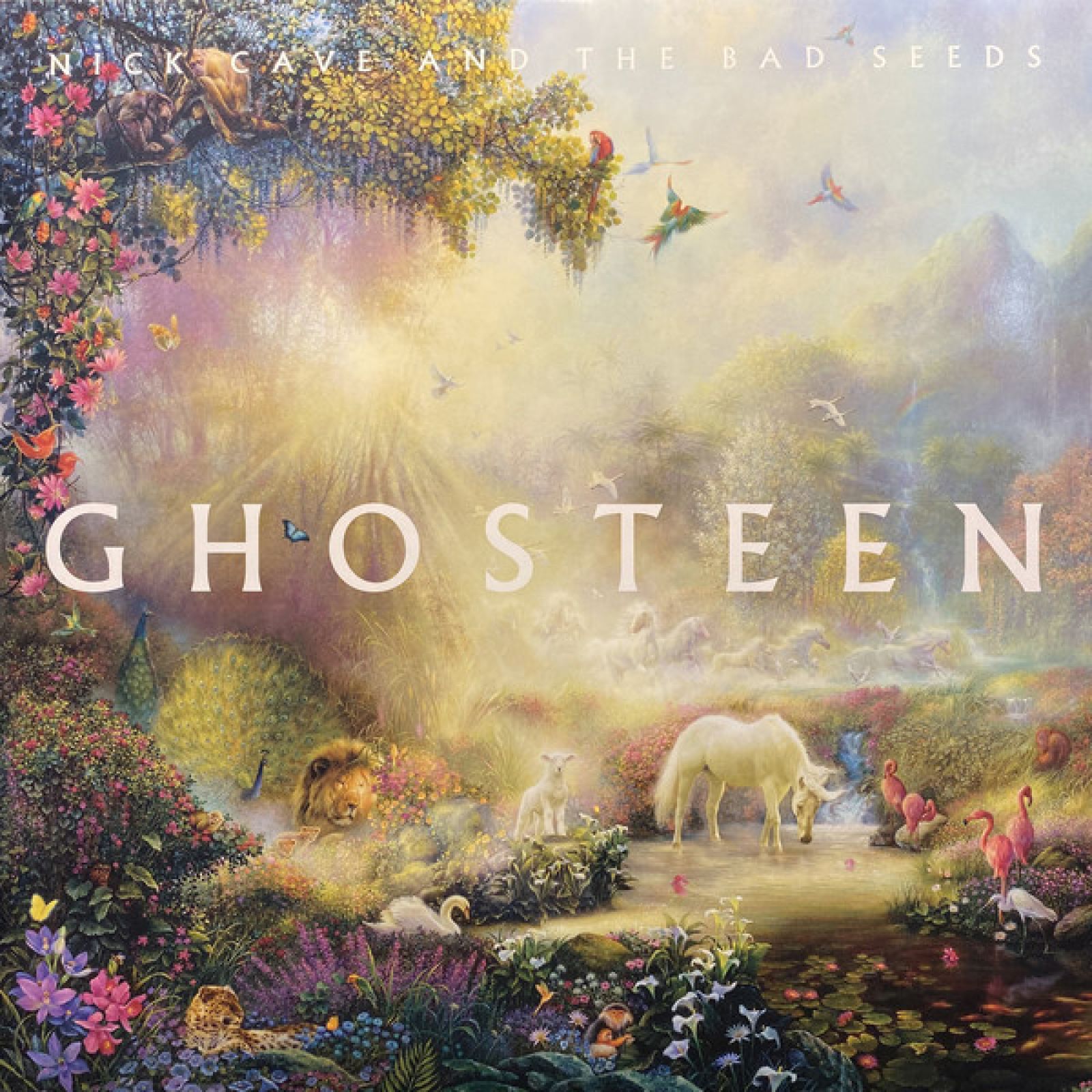 October 4 — Nick Cave and the Bad Seeds, Ghosteen (2019, Ghosteen Ltd.). Cave made grief feel weightless here, surrounding his voice with drifting electronics and sparse arrangements that make the record feel less like a collection of songs than a long nocturnal dream.
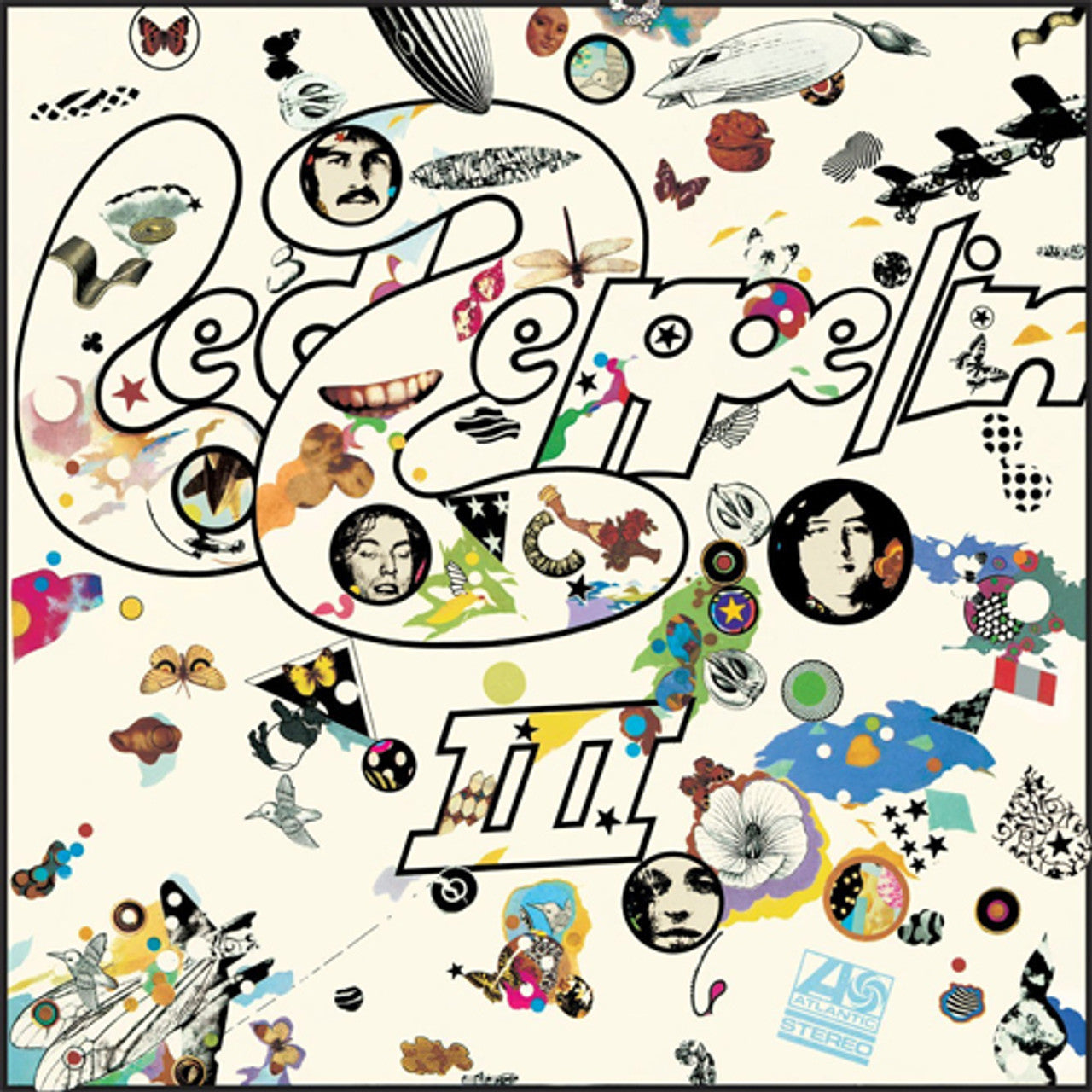 October 5 — Led Zeppelin, Led Zeppelin III (1970, Atlantic Records). Zeppelin proved it didn’t need to keep turning the amps upward. Acoustic guitars, folk influences and quieter textures sit comfortably beside “Immigrant Song” and the band’s heavier instincts.
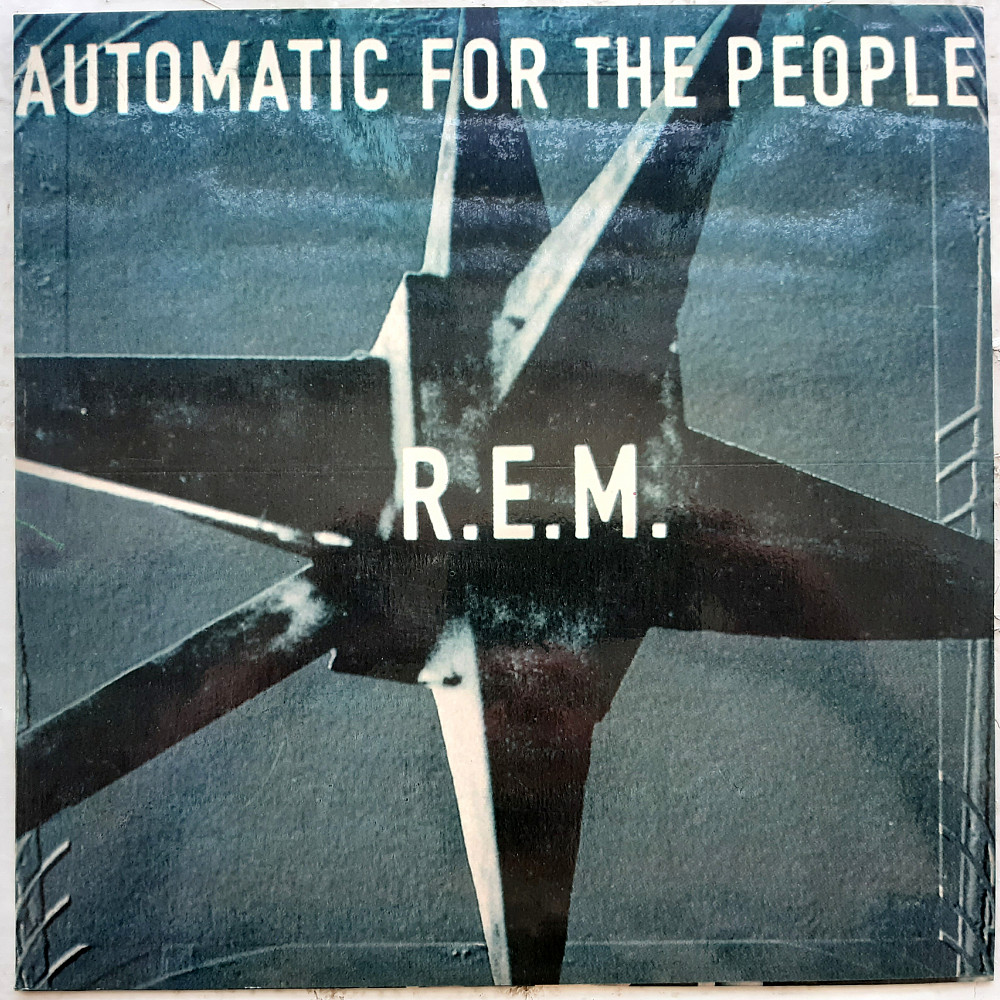 October 6 — R.E.M., Automatic for the People (1992, Warner Bros. Records). “Drive,” “Everybody Hurts,” “Man on the Moon” and “Nightswimming” make this one of the rare blockbuster albums that feels intimate rather than oversized.
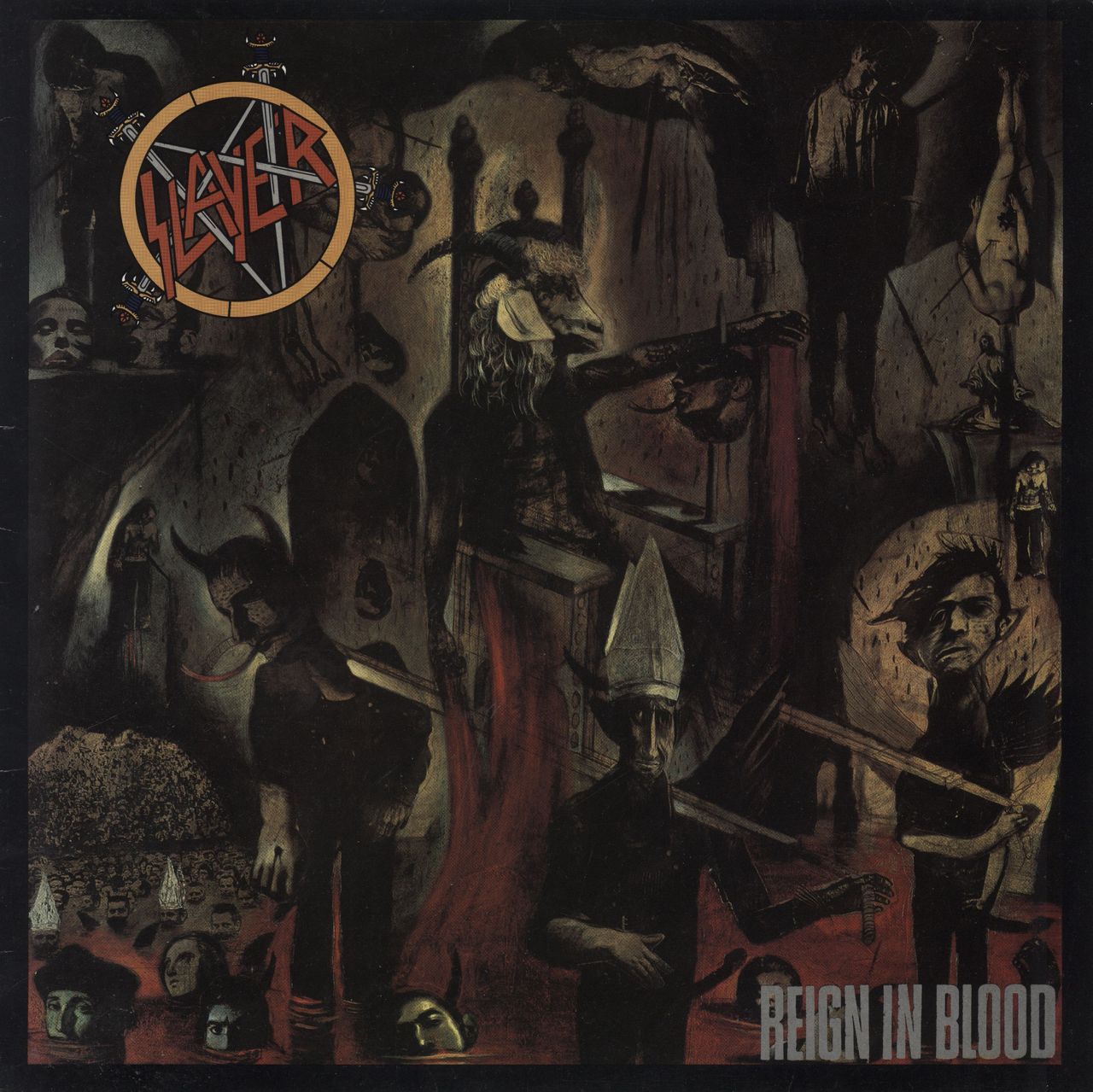 October 7 — Slayer, Reign in Blood (1986, Def Jam Recordings). Slayer compressed an enormous amount of violence into less than half an hour. “Angel of Death” and “Raining Blood” helped set the standard for just how fast, precise and extreme thrash metal could become.
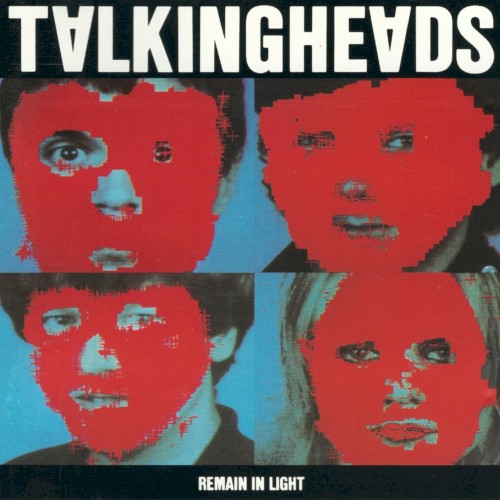 October 8 — Talking Heads, Remain in Light (1980, Sire Records). The band fused funk, African rhythms, studio loops and art-school nervousness into a record that refuses to sit still. “Once in a Lifetime” is the famous entry point, but the entire album is rhythmically hypnotic.
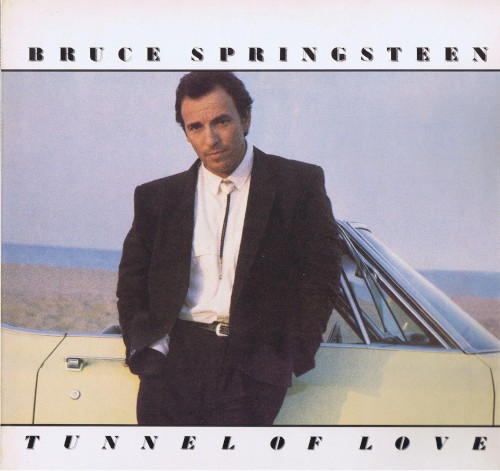 October 9 — Bruce Springsteen, Tunnel of Love (1987, Columbia Records). Instead of trying to repeat Born in the U.S.A., Springsteen went inward. “Brilliant Disguise,” “Tougher Than the Rest” and “One Step Up” examine relationships with considerably more doubt than triumph.
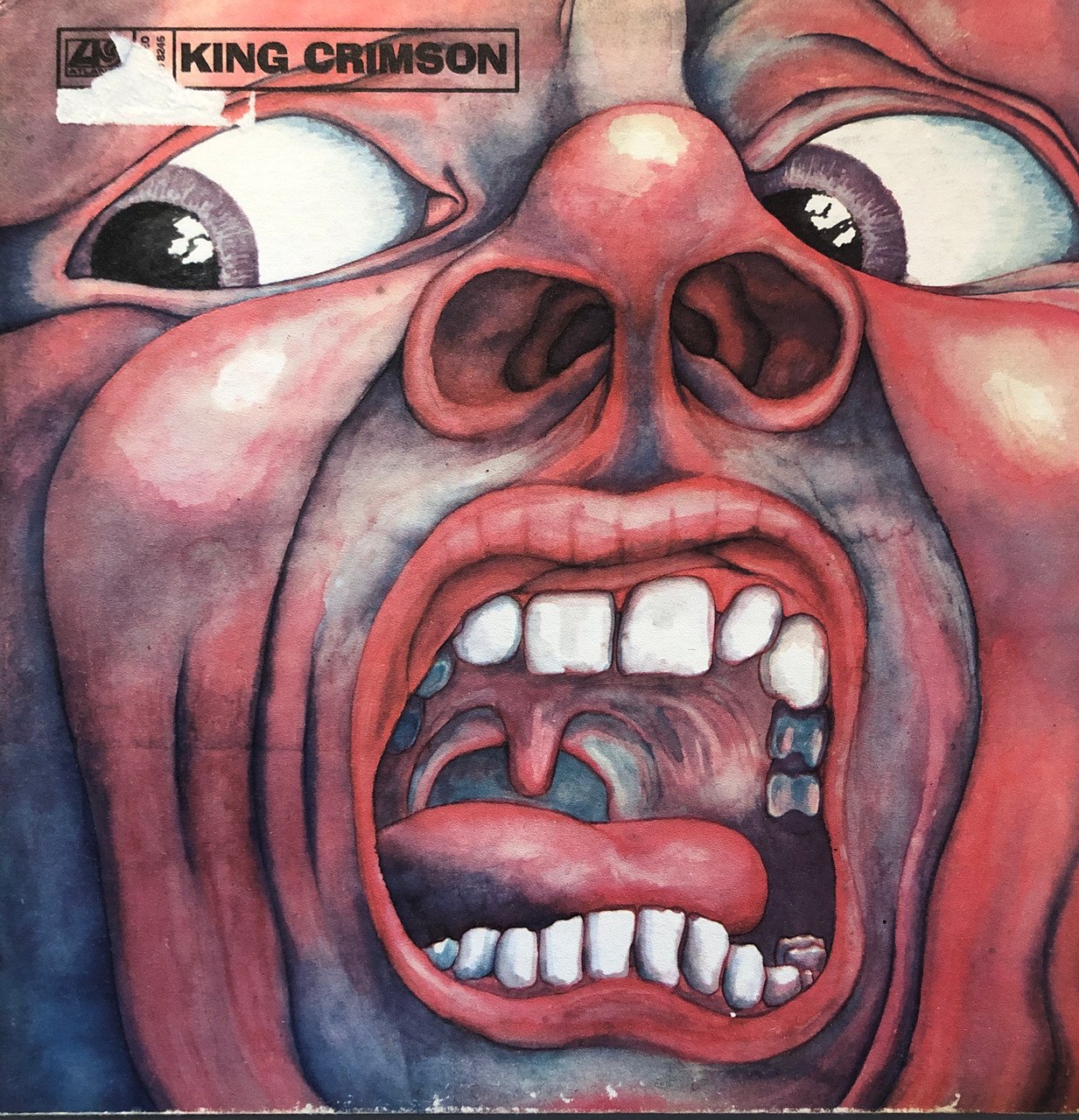 October 10 — King Crimson, In the Court of the Crimson King (1969, Island Records). “21st Century Schizoid Man” sounds like the future crashing through the door, while the rest of the album moves through mellotron-heavy beauty, dread and grandeur. Progressive rock was never quite the same afterward.
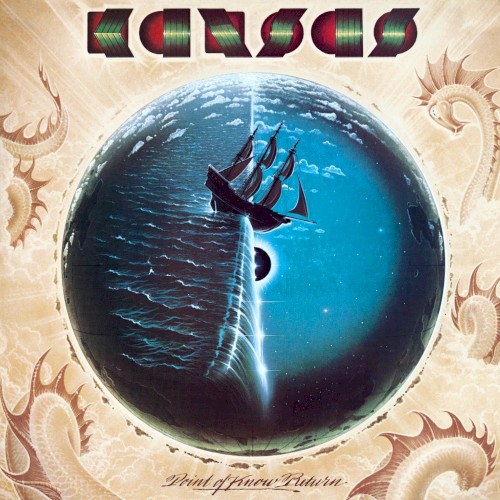 October 11 — Kansas, Point of Know Return (1977, Kirshner Records). “Dust in the Wind” became the enduring hit, but the title track and the surrounding material show Kansas balancing progressive ambition with melodies built for enormous rooms.
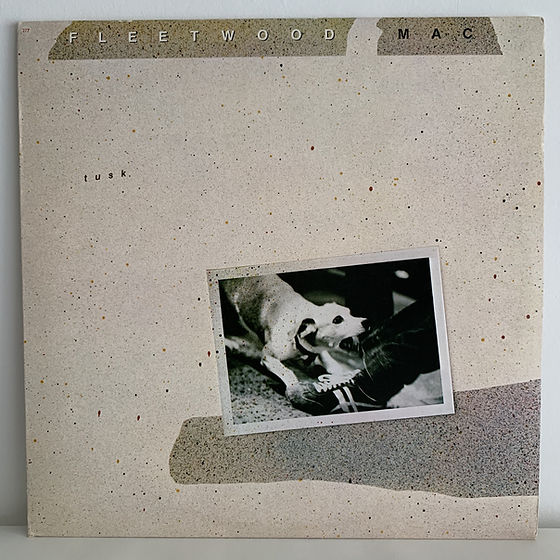 October 12 — Fleetwood Mac, Tusk (1979, Warner Bros. Records). Following Rumours with something safe would have been easy. Instead Fleetwood Mac made a sprawling, eccentric double album where Lindsey Buckingham’s nervous experiments collide with Stevie Nicks and Christine McVie at their most melodic.
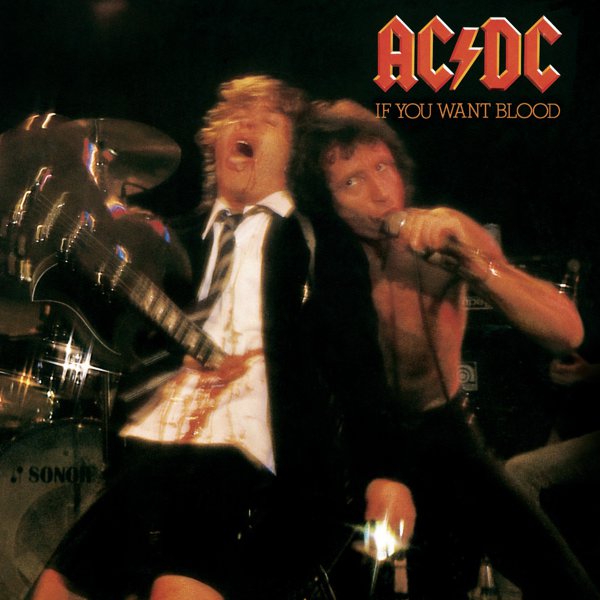 October 13 — AC/DC, If You Want Blood You’ve Got It (1978, Atlantic Records). The Bon Scott-era AC/DC live experience gets bottled in all its sweaty glory. “Whole Lotta Rosie,” “Let There Be Rock” and “High Voltage” sound even meaner with an audience roaring behind them.
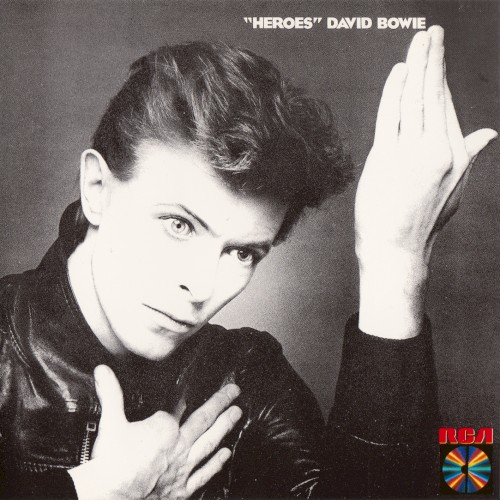 October 14 — David Bowie, “Heroes” (1977, RCA Records). Bowie’s Berlin period reached a remarkable midpoint here, pairing angular rock with electronic experimentation. The title track became immortal, but the album surrounding it is far stranger than its biggest song suggests.
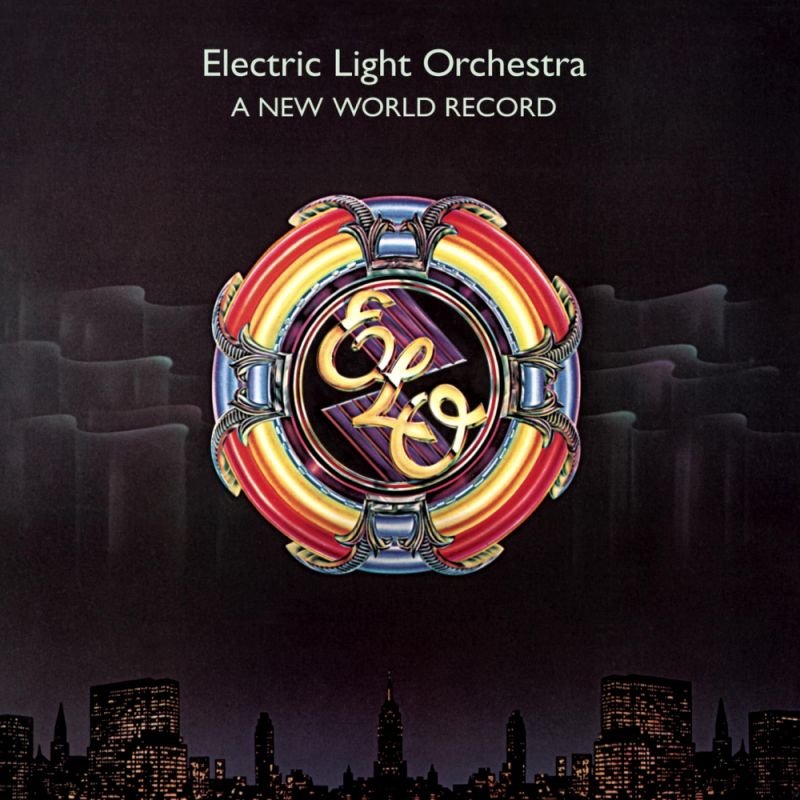 October 15 — Electric Light Orchestra, A New World Record (1976, United Artists Records). Jeff Lynne found the perfect balance between Beatles-inspired pop craftsmanship and orchestral excess. “Livin’ Thing,” “Telephone Line,” “Do Ya” and “Rockaria!” make this ELO at full power.
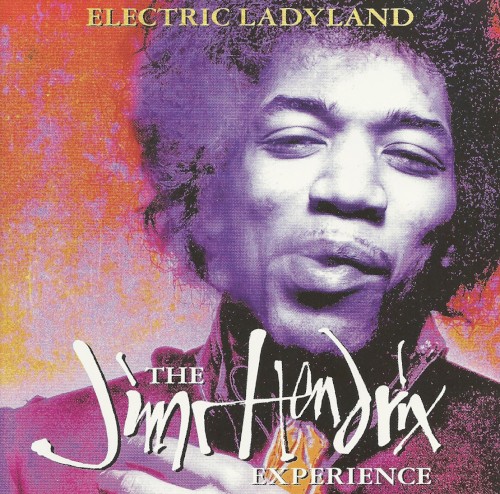 October 16 — The Jimi Hendrix Experience, Electric Ladyland (1968, Reprise Records). Hendrix used the studio as aggressively as he used his guitar. “Voodoo Child (Slight Return),” “Crosstown Traffic” and his transformation of “All Along the Watchtower” make the album feel limitless.
 October 17 — Dire Straits, Making Movies (1980, Vertigo Records). Mark Knopfler stretched the band’s sound into something more cinematic, with “Romeo and Juliet” and “Tunnel of Love” showing just how much drama he could build without ever sounding bombastic.
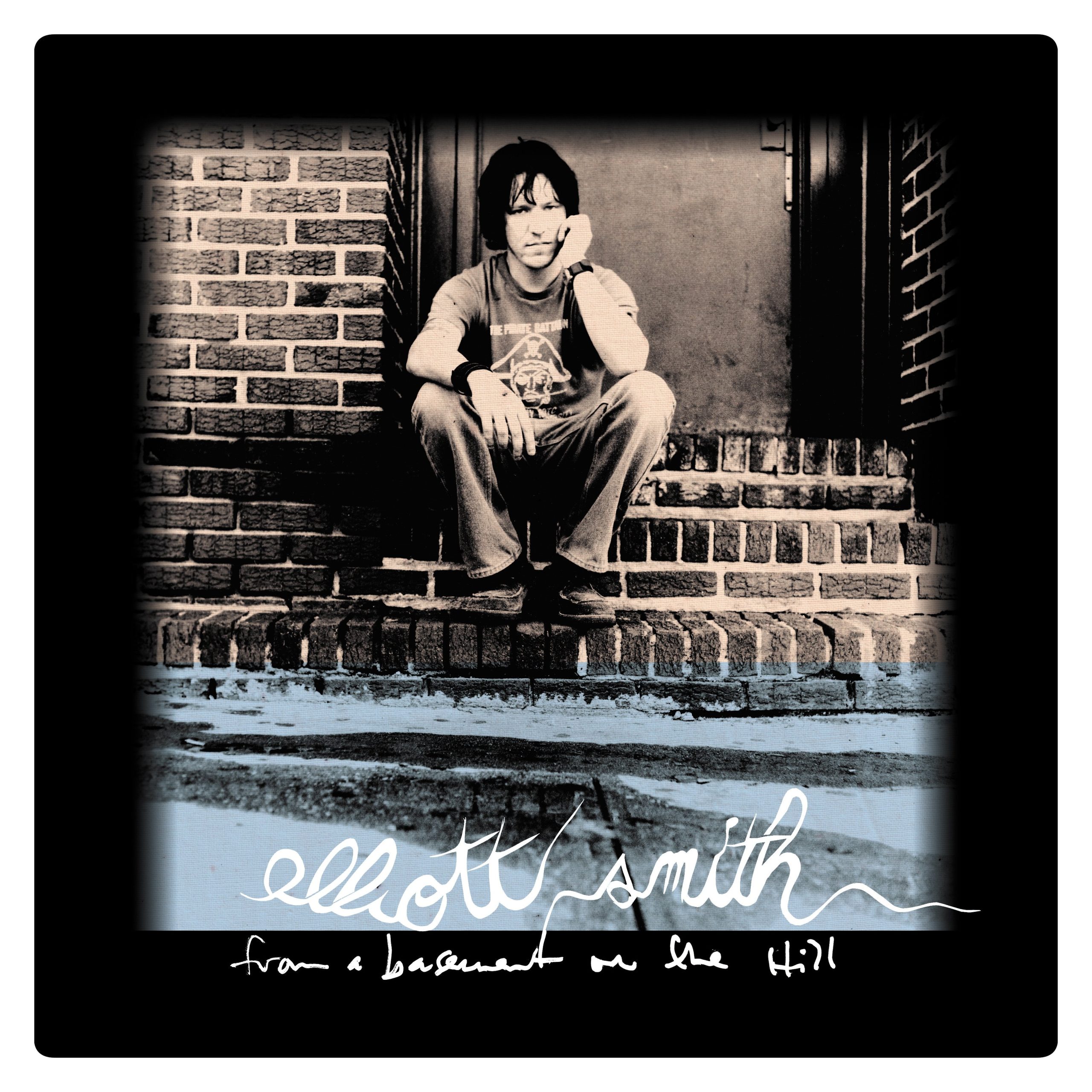 October 18 — Elliott Smith, From a Basement on the Hill (2004, ANTI-). Released after Smith’s death, the album pairs some of his prettiest melodies with harsher production and darker emotional terrain. It feels unfinished in places, but never insignificant.
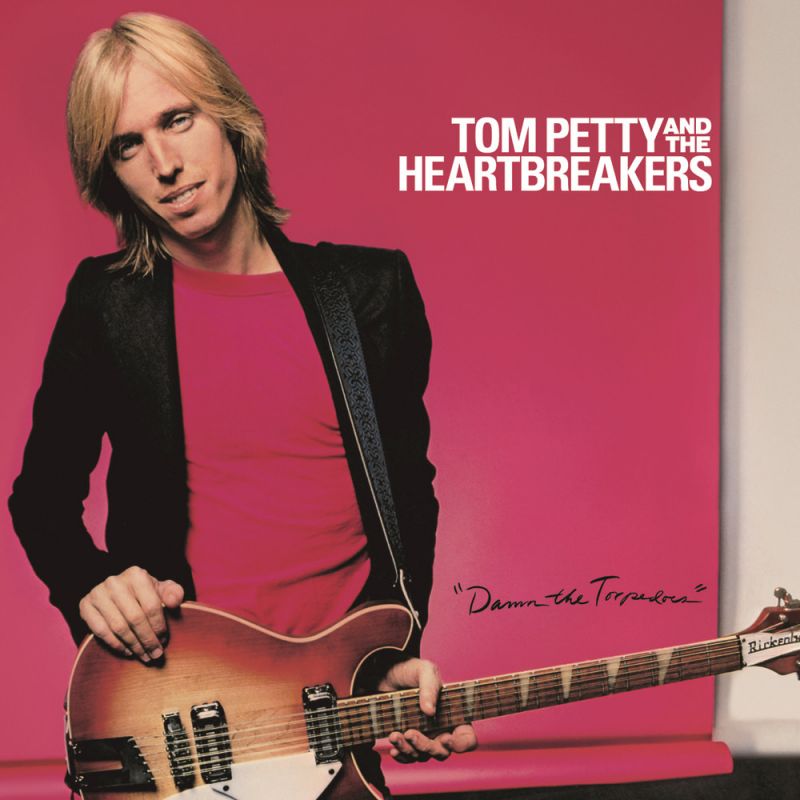 October 19 — Tom Petty and the Heartbreakers, Damn the Torpedoes (1979, Backstreet Records). This was the record that made Petty unavoidable. “Refugee,” “Don’t Do Me Like That” and “Here Comes My Girl” sound lean, direct and built for American FM radio at its best.
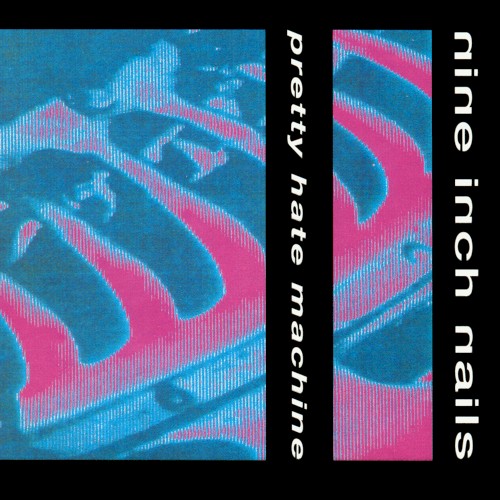 October 20 — Nine Inch Nails, Pretty Hate Machine (1989, TVT Records). Trent Reznor turned synthesizers, drum machines and industrial abrasion into pop songs with teeth. “Head Like a Hole” helped create a path for alternative music that was both electronic and confrontational.
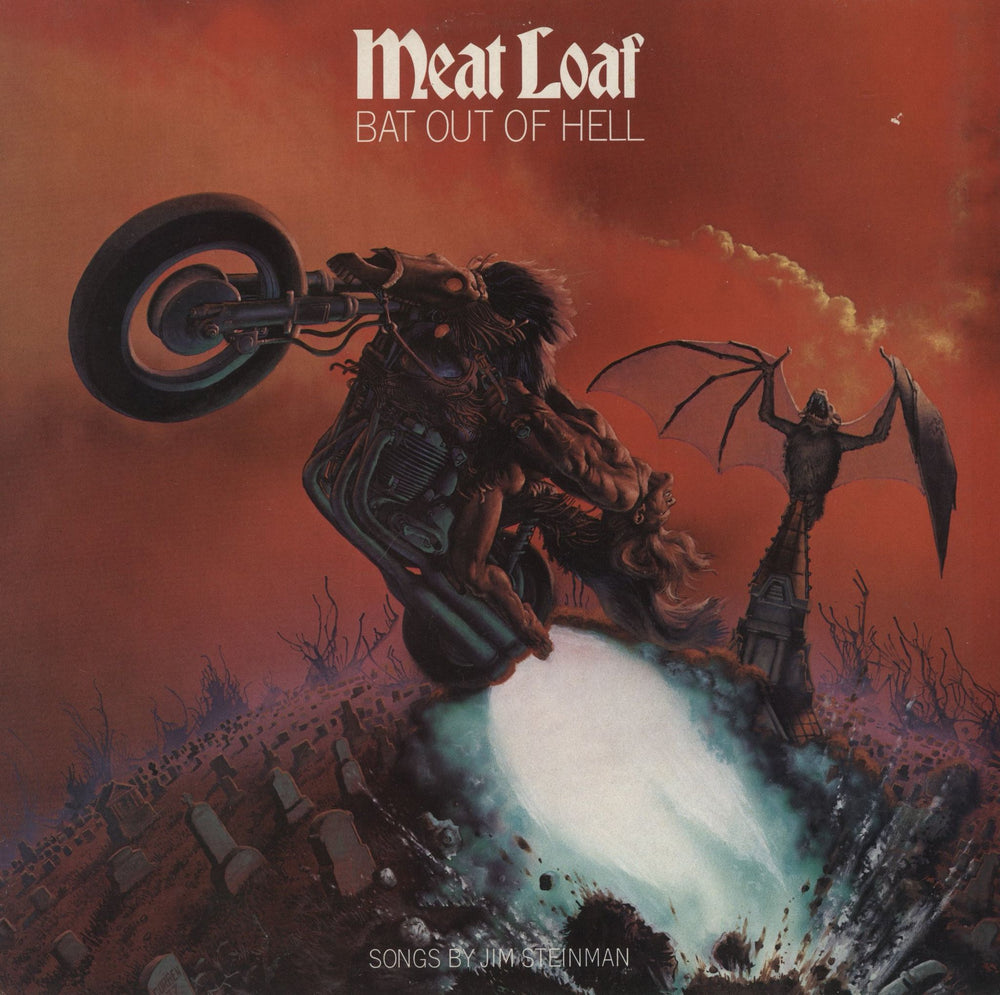 October 21 — Meat Loaf, Bat Out of Hell (1977, Cleveland International/Epic). Everything is gigantic here: the guitars, the arrangements, the melodrama and Meat Loaf’s vocals. Jim Steinman wrote rock songs like three-act plays, and somehow millions of people came along for the ride.
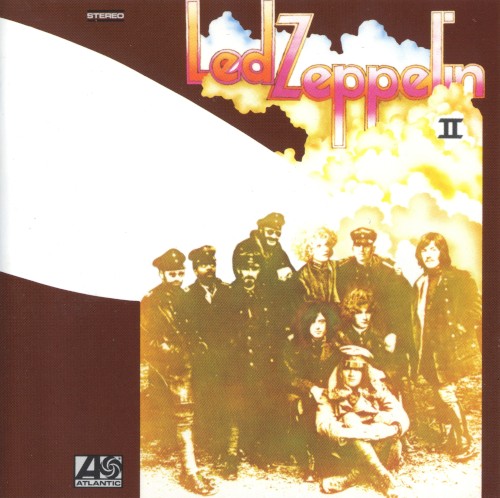 October 22 — Led Zeppelin, Led Zeppelin II (1969, Atlantic Records). “Whole Lotta Love,” “Heartbreaker” and “Ramble On” helped define the sound of heavy rock before hard rock even had a settled rulebook.
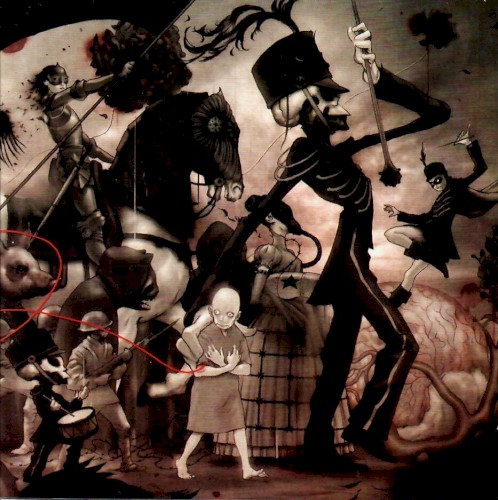 October 23 — My Chemical Romance, The Black Parade (2006, Reprise Records). My Chemical Romance took emo, glam, Queen-sized theatrics and punk energy and built an honest-to-goodness concept album. “Welcome to the Black Parade” became the obvious anthem, but the record is much deeper than one song.
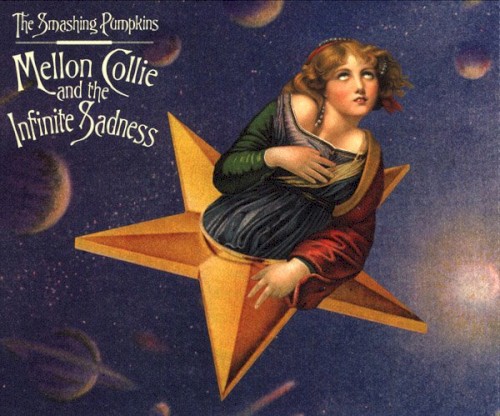 October 24 — The Smashing Pumpkins, Mellon Collie and the Infinite Sadness (1995, Virgin Records). Billy Corgan used the double album as an excuse to do practically everything: crushing metal, dreamy pop, orchestral ballads and sprawling guitar epics. The excess is part of the appeal.
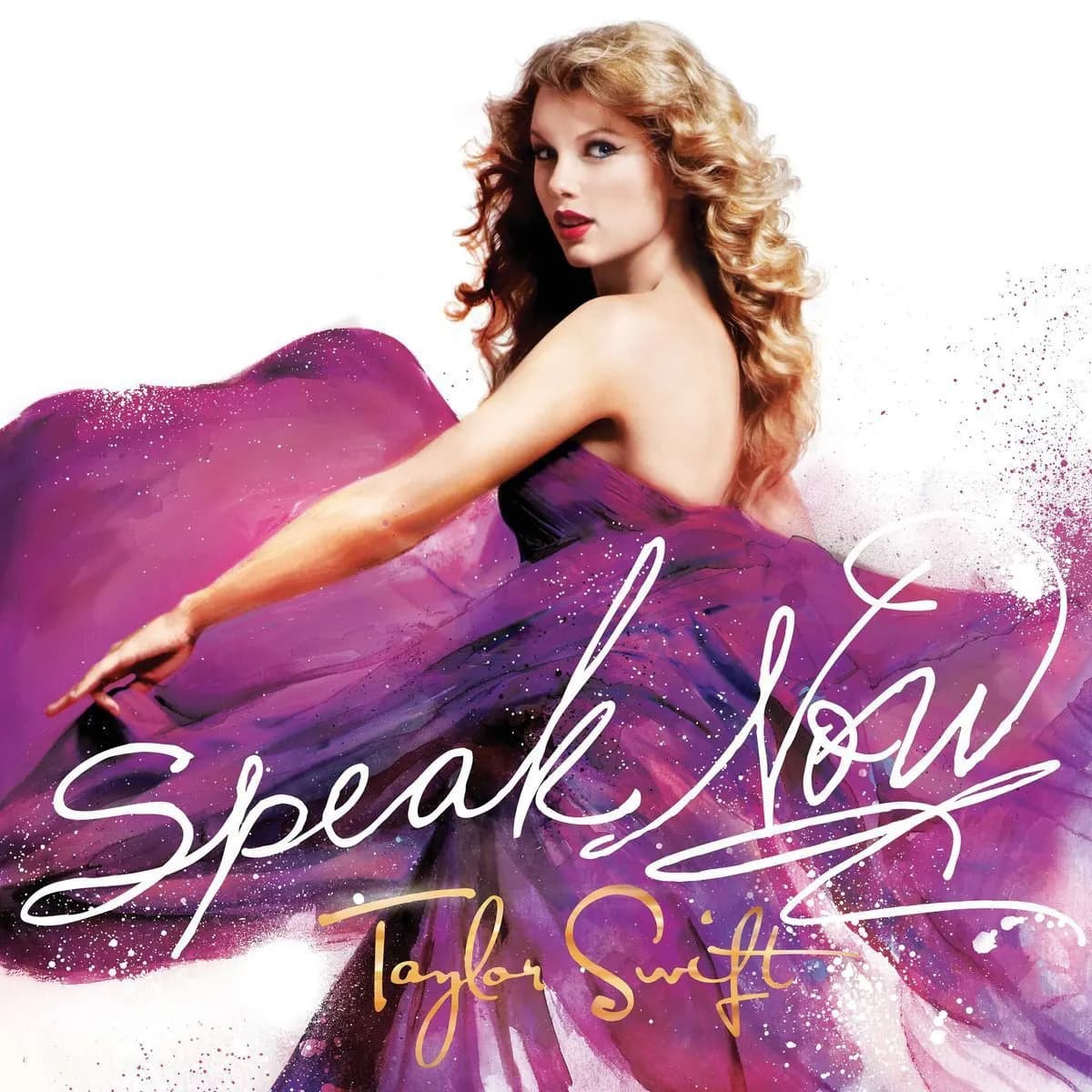 October 25 — Taylor Swift, Speak Now (2010, Big Machine Records). Swift wrote every song on the standard edition herself and pushed further into pop-rock with “Sparks Fly,” “Mine,” “Back to December” and “Dear John.” It remains one of the clearest snapshots of her songwriting before she fully crossed into pop.
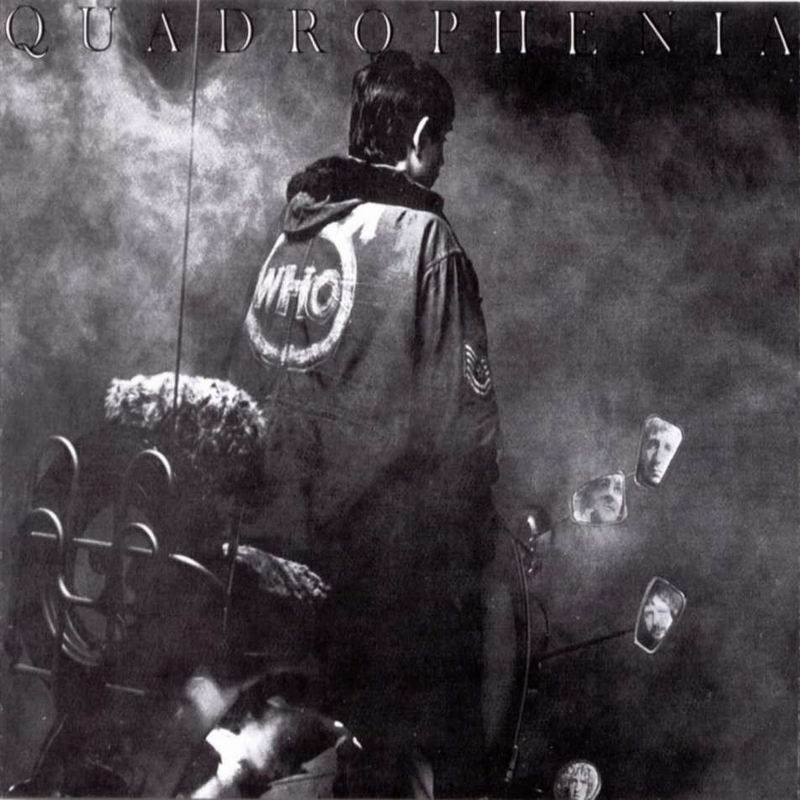 October 26 — The Who, Quadrophenia (1973, Track Records). Pete Townshend’s second major rock opera might be even more musically ambitious than Tommy. Keith Moon sounds barely containable, while “The Real Me,” “5:15” and “Love, Reign o’er Me” give the story enormous emotional force.
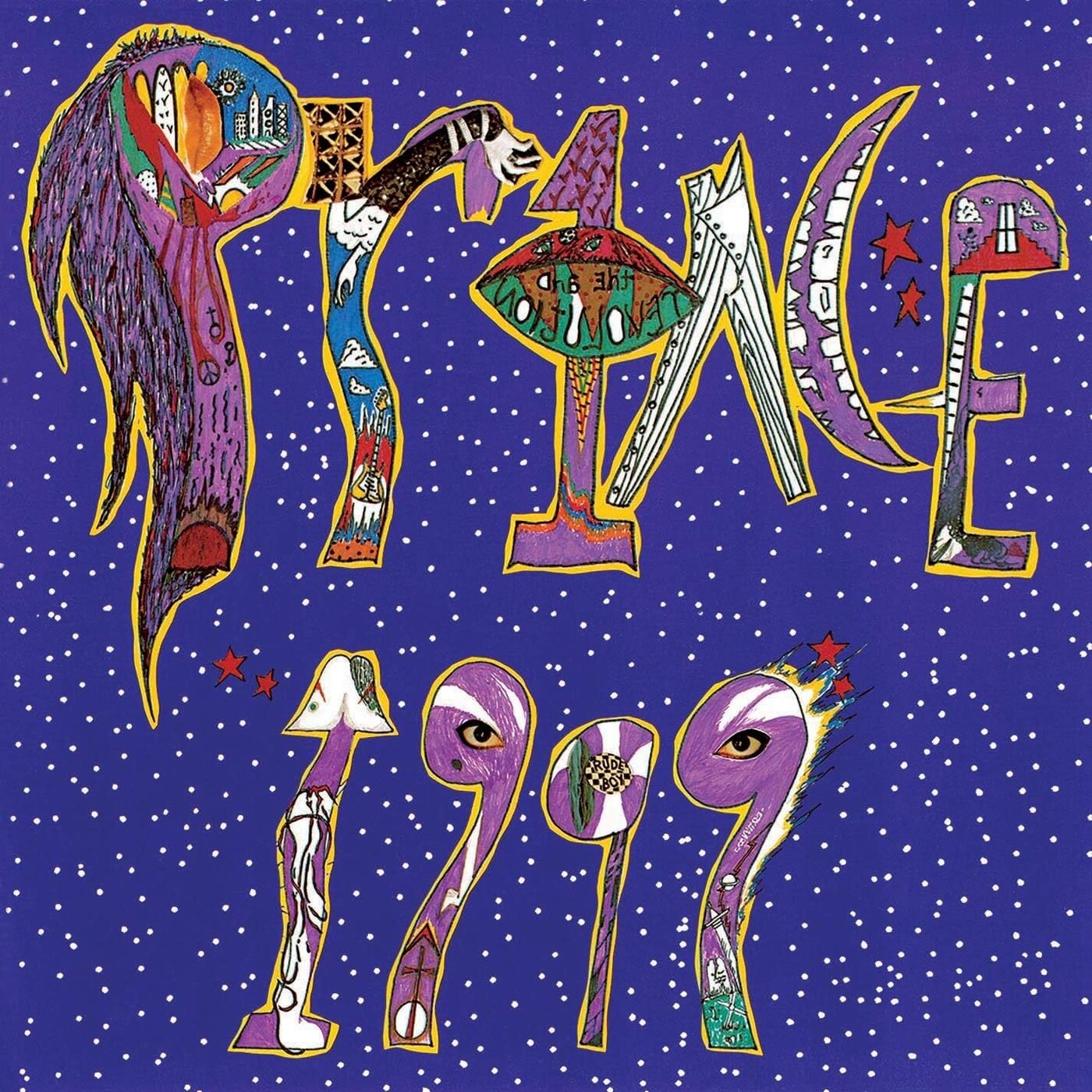 October 27 — Prince, 1999 (1982, Warner Bros. Records). Prince’s mixture of funk, rock, pop and new wave became irresistible here. “1999,” “Little Red Corvette” and “Delirious” pushed him toward superstardom while still sounding wonderfully strange.
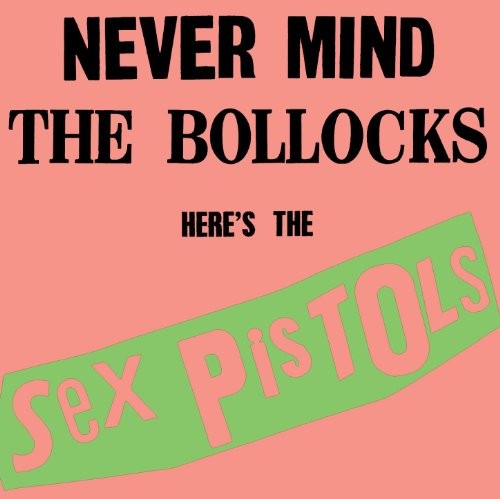 October 28 — Sex Pistols, Never Mind the Bollocks, Here’s the Sex Pistols (1977, Virgin Records). One proper studio album was enough to leave permanent damage. “Anarchy in the U.K.” and “God Save the Queen” made punk sound less like a genre than a public disturbance.
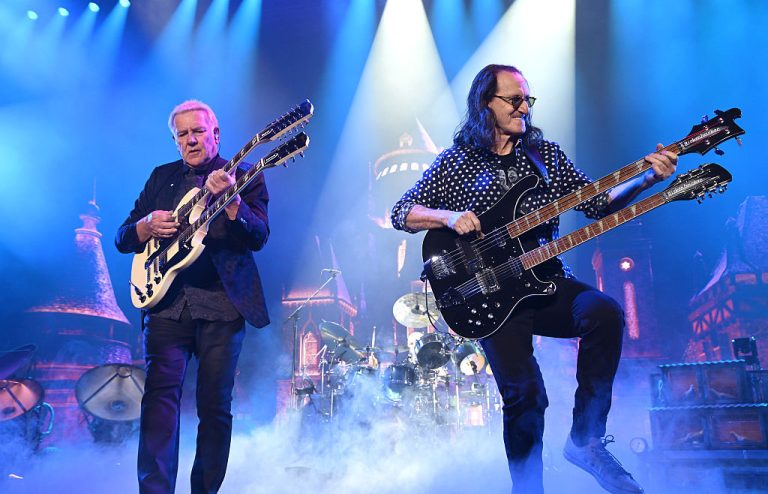
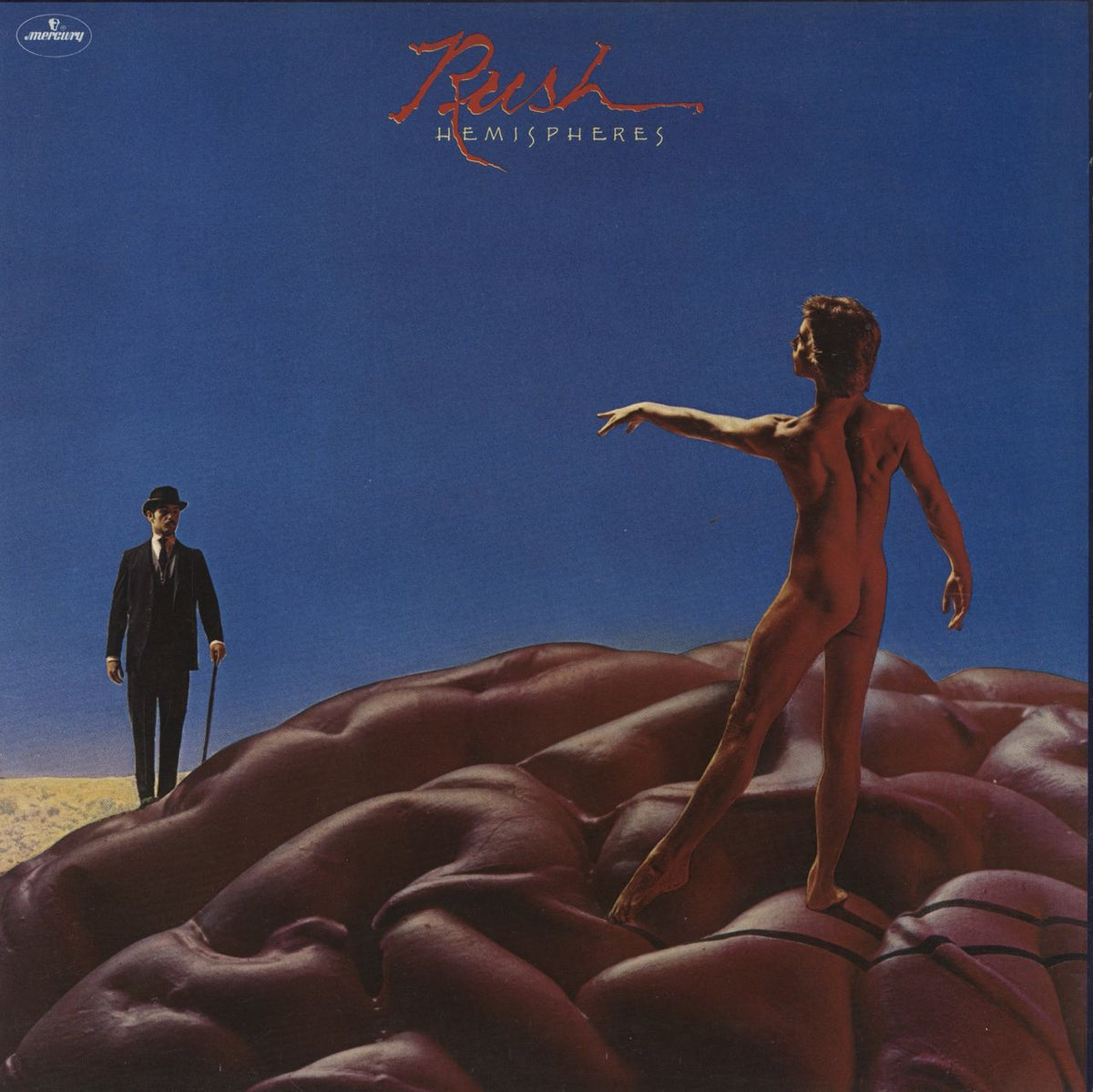 October 29 — Rush, Hemispheres (1978, Anthem Records). Rush reached the extreme edge of its progressive phase here, opening with an 18-minute title suite before delivering “The Trees” and the instrumental maze of “La Villa Strangiato.”
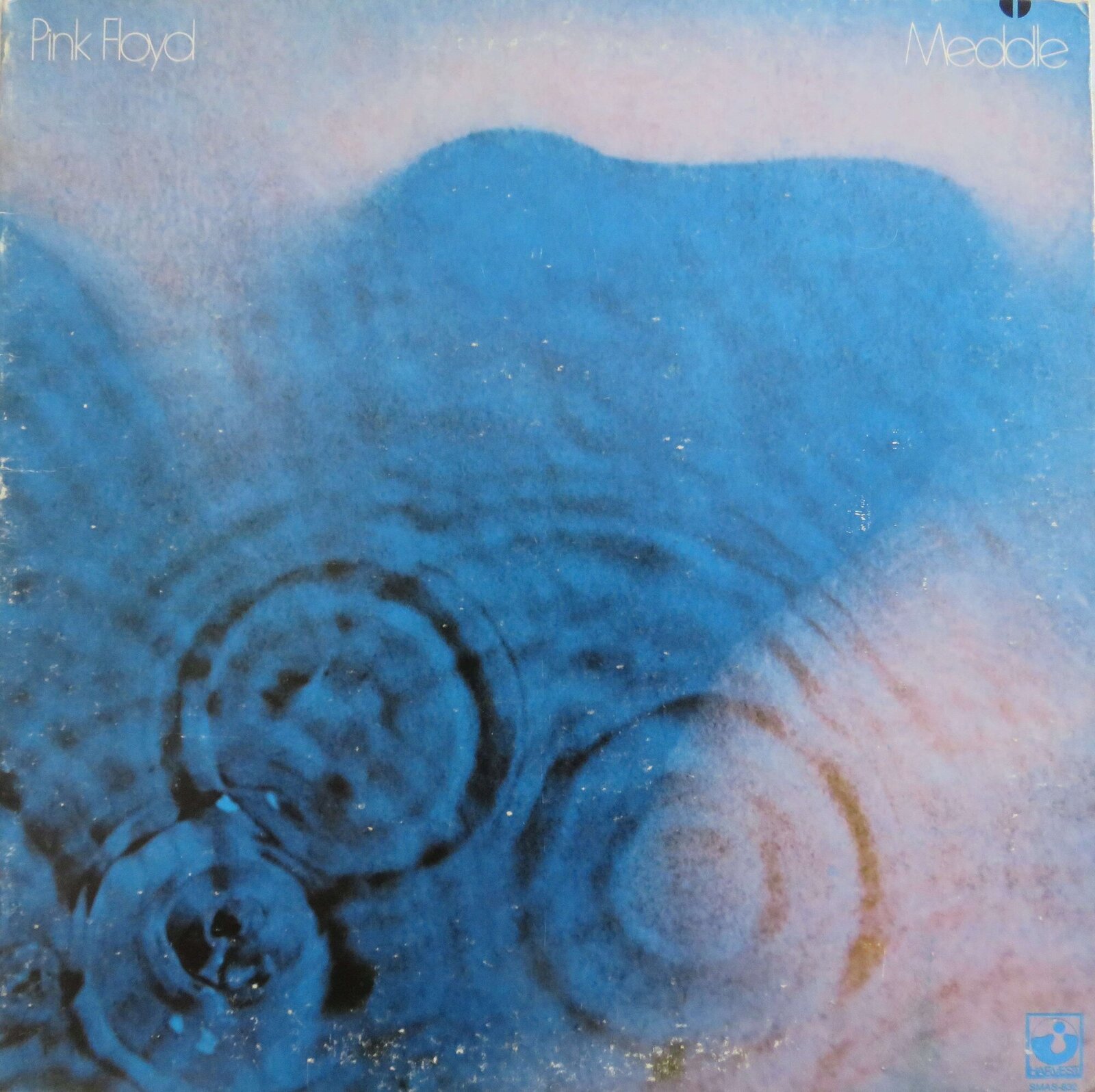 October 30 — Pink Floyd, Meddle (1971, Harvest Records). This is the bridge between Pink Floyd’s psychedelic beginnings and the monumental records that followed. The 23-minute “Echoes” points directly toward the scale and patience of The Dark Side of the Moon.
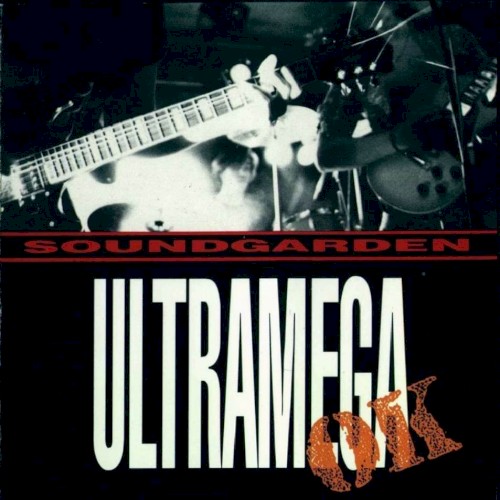 October 31 — Soundgarden, Ultramega OK (1988, SST Records). It’s a fitting Halloween record: grimy, heavy, weird and a little unhinged. Soundgarden hadn’t yet become an arena band, but Chris Cornell’s voice and the band’s crooked riffs were already impossible to miss.
October has several dates where picking just one record feels unfair. October 2 also gave the world Oasis’ (What’s the Story) Morning Glory?. October 7 includes R.E.M.’s Automatic for the People in some territories. October 10 also became the release date for Radiohead’s In Rainbows years later. And October 24 is almost ridiculous, with Mellon Collie and the Infinite Sadness, Linkin Park’s Hybrid Theory and Taylor Swift’s self-titled debut all attached to the same day.